Why WPC Wall Panels Matter in Modular Fit-Out Projects
Learn how to choose WPC wall panels for modular fit-out projects with tips on dimensions, accessories, quality control, and delivery.
Unlike traditional interior decoration, WPC wall panels in modular fit-out projects are not used as standalone decorative materials. Instead, they form an integral part of the entire wall system. The panels must integrate precisely with framing systems, skirting boards, door frames, suspended ceilings, electrical openings, and finishing trims. As a result, they demand higher standards in dimensional accuracy, accessory compatibility, manufacturing precision, and supply consistency.
Table of Contents
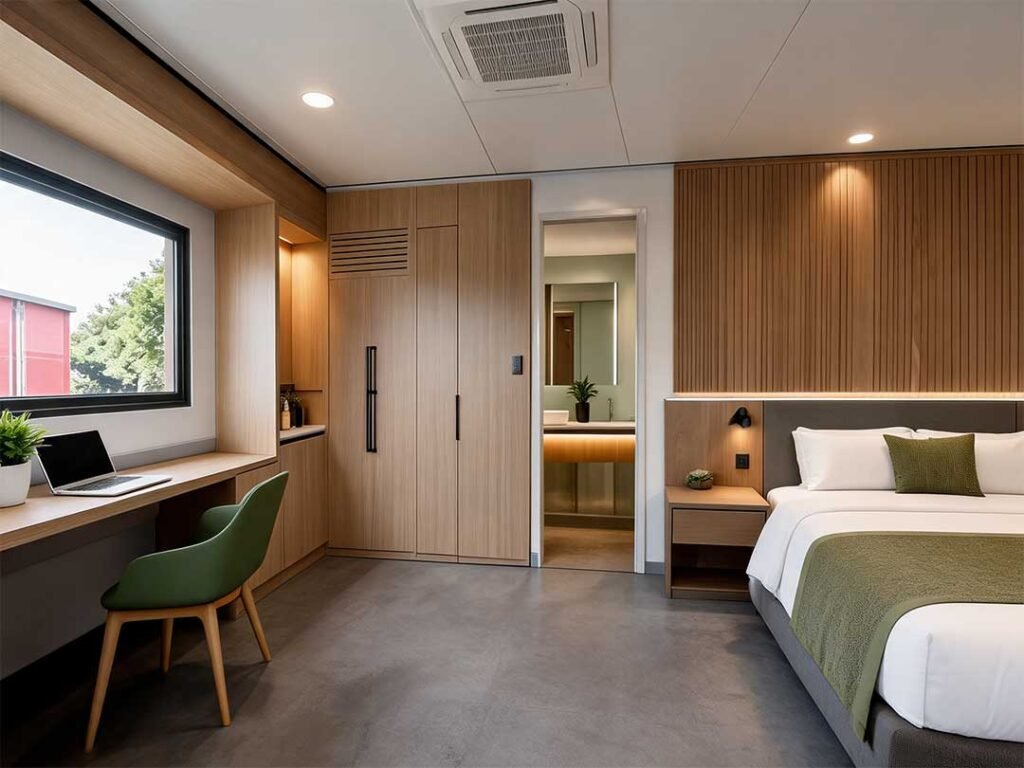
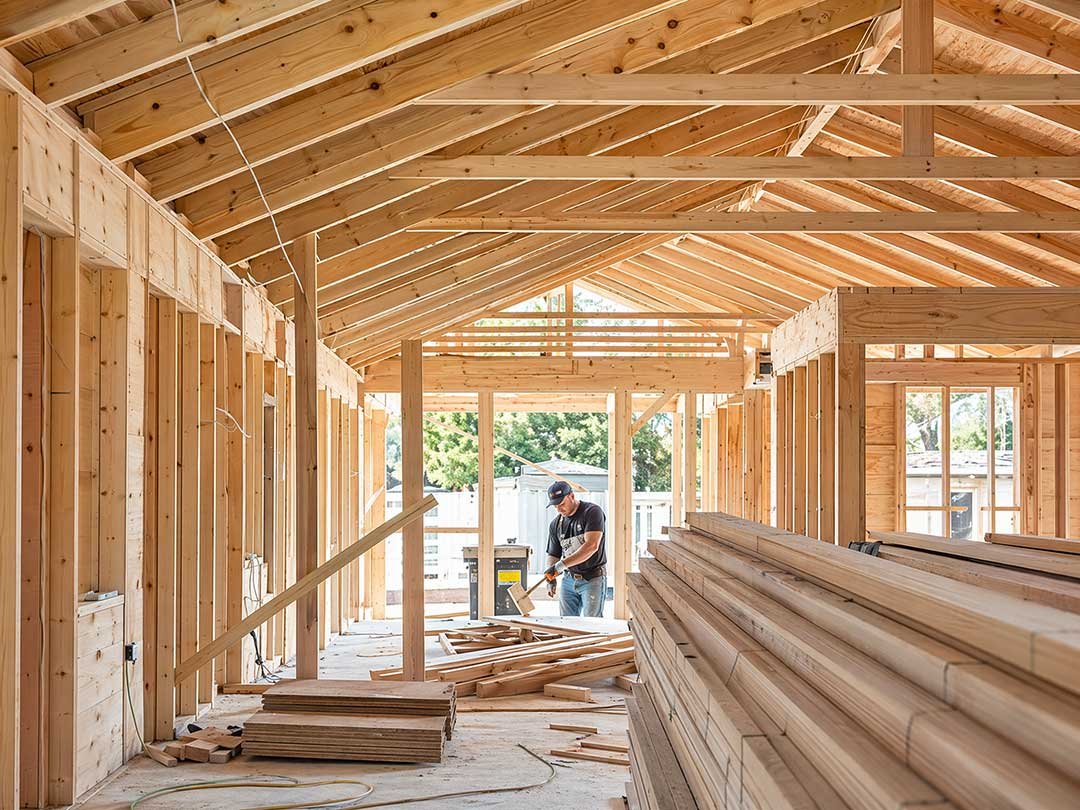
With the rapid growth of prefabricated construction and modular interiors, an increasing number of hotels, apartments, schools, hospitals, office buildings, and commercial spaces are adopting factory-prefabricated components that can be installed quickly on site.
In conventional renovation projects, a dimensional error in one wall panel may only affect a single room. However, in modular construction, the same error can be replicated across dozens or even hundreds of identical units, leading to significant rework costs and project delays.
Therefore, importers, contractors, and modular building manufacturers should evaluate more than just product pricing when sourcing WPC wall panels. A supplier’s production management capabilities, quality control system, and project support services are equally important to ensure successful project delivery.
What Makes a WPC Wall Panel Suitable for Modular Fit-Out Projects?
WPC (Wood Plastic Composite) wall panels are modern interior cladding materials manufactured from a combination of wood fibers and polymer resins. They combine the natural appearance of wood with the durability, dimensional stability, and low-maintenance characteristics of engineered composite materials.
However, not every WPC wall panel on the market is suitable for modular construction. Products can vary significantly in density, thickness, surface finish, installation methods, and accessory systems.
For engineering and project procurement, buyers should carefully verify whether the supplier can provide:
- Stable and consistent panel dimensions
- A complete installation accessory system
- Custom sizes and color options for project requirements
- Comprehensive quality inspection procedures
- Phased production and delivery according to the construction schedule
Only when these requirements are met can WPC wall panels become a reliable component of a modular interior wall system.
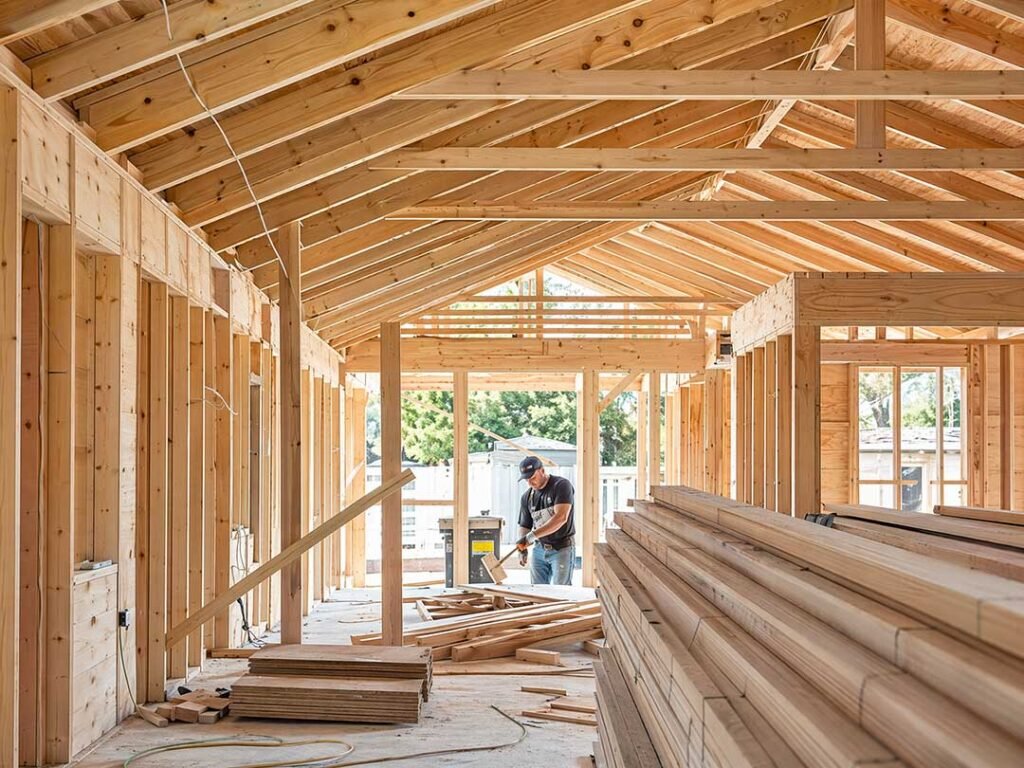
What Should Buyers Verify When Purchasing WPC Wall Panels for Modular Projects?
Compared with standard retail orders, modular construction projects require much more comprehensive product specification management.
| Inspection Item | Why It Matters |
|---|---|
| Panel dimensions and tolerances | Ensure consistent installation across all modules while minimizing on-site adjustments. |
| Surface texture and color | Prevent noticeable color variations between production batches. |
| Joint and connection design | Improve installation efficiency and achieve a uniform finished appearance. |
| Trims and accessories | Avoid installation delays caused by missing profiles or finishing components. |
| Installation method | Confirm compatibility with steel frames, timber battens, or light-gauge steel framing systems. |
| Quality control | Ensure consistent product quality throughout large production runs. |
| Packaging and transportation | Reduce the risk of damage during international shipping and handling. |
For large-scale projects, it is recommended to request a mock-up wall or sample module before mass production. Conducting a trial installation helps verify product compatibility, installation efficiency, and overall system performance while minimizing construction risks during the actual project.
Dimensional Accuracy Determines Installation Efficiency
Sample approval is only the first step in the procurement process.
The real challenge lies in maintaining consistent dimensional accuracy throughout mass production. Even minor deviations can affect the assembly of hundreds of identical modules.
Before placing an order, buyers should ask the manufacturer to clearly define:
- Tolerances for panel length, width, and thickness
- Approved surface texture direction and color standards
- Edge profile dimensions
- Quality inspection records for each production batch
- Batch identification and traceability procedures
In addition, whenever project drawings are revised, the latest design documents should be promptly communicated to the manufacturer to ensure production follows the updated specifications. This helps prevent dimensional inconsistencies between different production batches.
For modular construction, even a small dimensional deviation can disrupt an entire production line. Therefore, dimensional control is far more critical than in traditional renovation projects.
A Complete Accessory System Is Equally Important
In practical applications, WPC wall panels are never installed on their own. They work together with a complete range of accessories to create a finished wall system.
Common accessories include:
- External corner trims
- Internal corner trims
- Finishing trims
- U-shaped channels
- Skirting boards
- Installation clips
- Mounting battens or support frames
- End caps
- Door frame connectors
Many buyers focus primarily on the cost of the wall panels while overlooking the importance of accessory supply. As a result, missing trims or installation components can interrupt construction, increase procurement costs, and compromise the final appearance.
To avoid these issues, suppliers should provide a complete accessory schedule tailored to different wall conditions, clearly specifying the quantity, installation location, and recommended spare parts for each accessory type.
Faq
Why are tight dimensional tolerances important?
Consistent dimensions ensure fast installation, reduce rework, and keep every module aligned.
Can WPC wall panels be customized?
Yes. Most manufacturers offer custom sizes, colors, profiles, and OEM/ODM services for project requirements.
What accessories are needed?
Common accessories include corner trims, skirting boards, U-channels, clips, and finishing profiles.
How can buyers ensure product quality?
Request samples, check inspection reports, and verify dimensional tolerances before mass production.
How can shipping damage be reduced?
Use reinforced export packaging, proper palletization, and moisture protection during container transportation.