Applications and Common Styles of Soft Stone
Soft stone offers flexible textures and lightweight solutions for exterior walls, interiors, curved surfaces, and modern buildings.
Soft stone, also known as flexible stone, is increasingly used in villas, hotels, guesthouses, commercial buildings, cultural and tourism projects, and interior spaces due to its lightweight, flexible properties and wide variety of surface textures. As architectural and interior design styles continue to evolve, soft stone is being used to meet the growing demand for lightweight materials, flexible designs, and diverse decorative effects.
Table of Contents
Compared with rigid decorative materials, soft stone can reproduce the appearance of natural stone, brick walls, wood grain, and other finishes. Its flexible characteristics also allow it to be used on columns, curved walls, and certain irregular structures, providing greater flexibility for architectural and interior decoration.
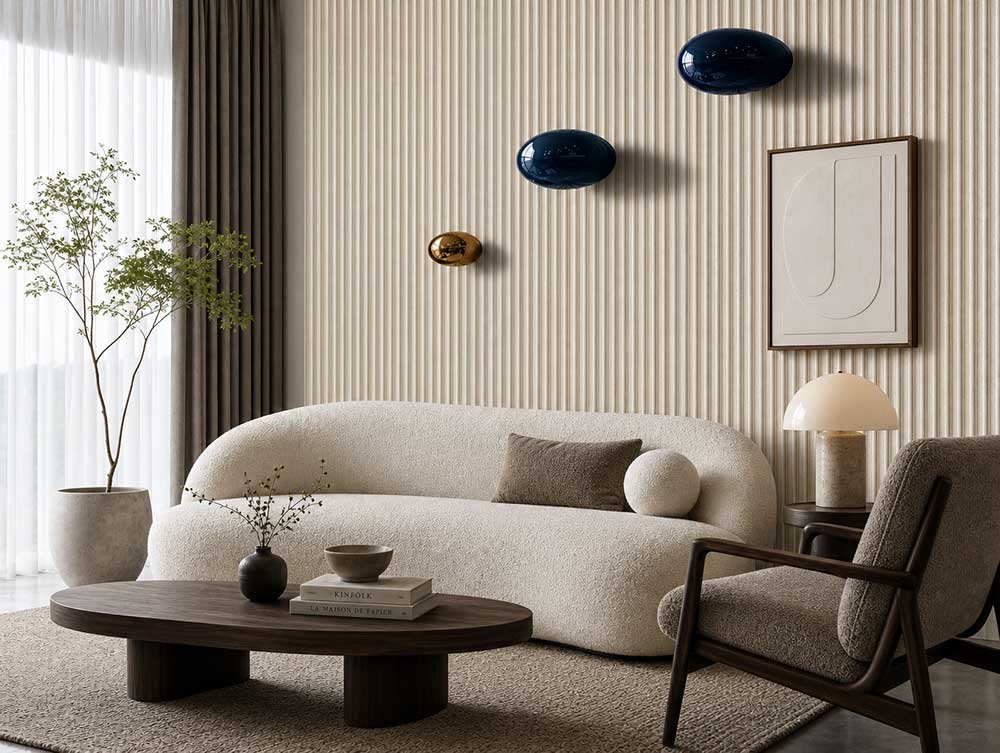
1. Common Styles of Soft Stone
Soft stone is not a single-style product. Different raw material formulations, texture molds, surface treatments, and colors can create a wide range of decorative effects.
Common product names on the market include Slate, Star Diamond Stone, Qianmo Stone, Hemp Rope Stone, Xingyue Stone, and New Line Stone. Color options may include white, solid colors, and 3D-printed patterns. Product names and classifications may vary between manufacturers, so the actual product, samples, and technical specifications should be checked before purchase.
1. Slate Series
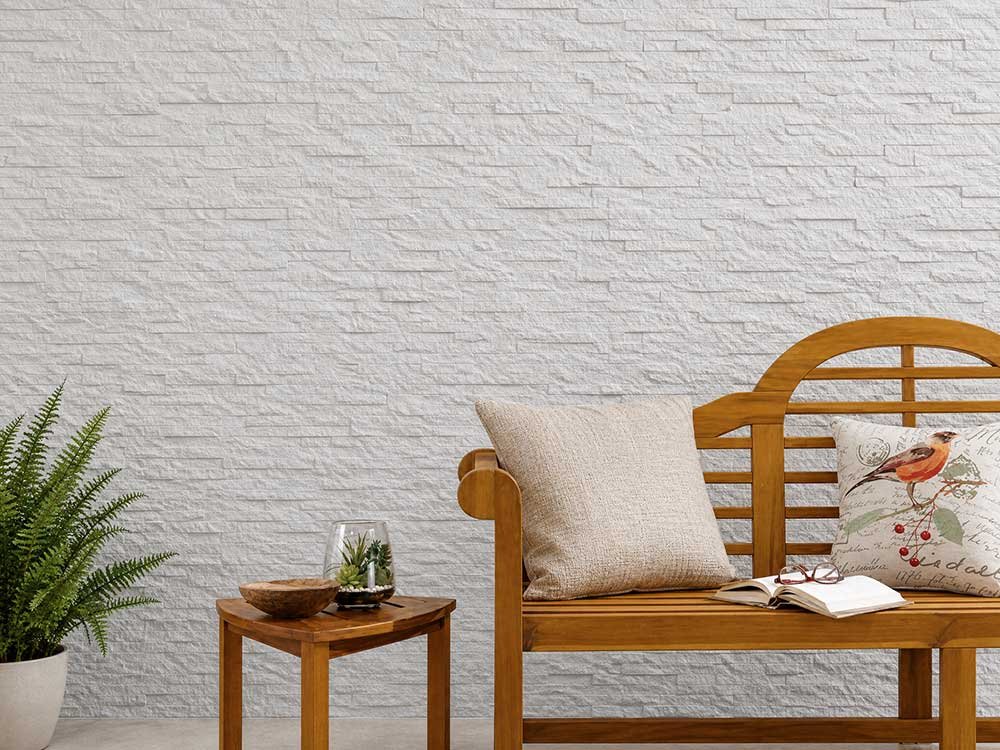
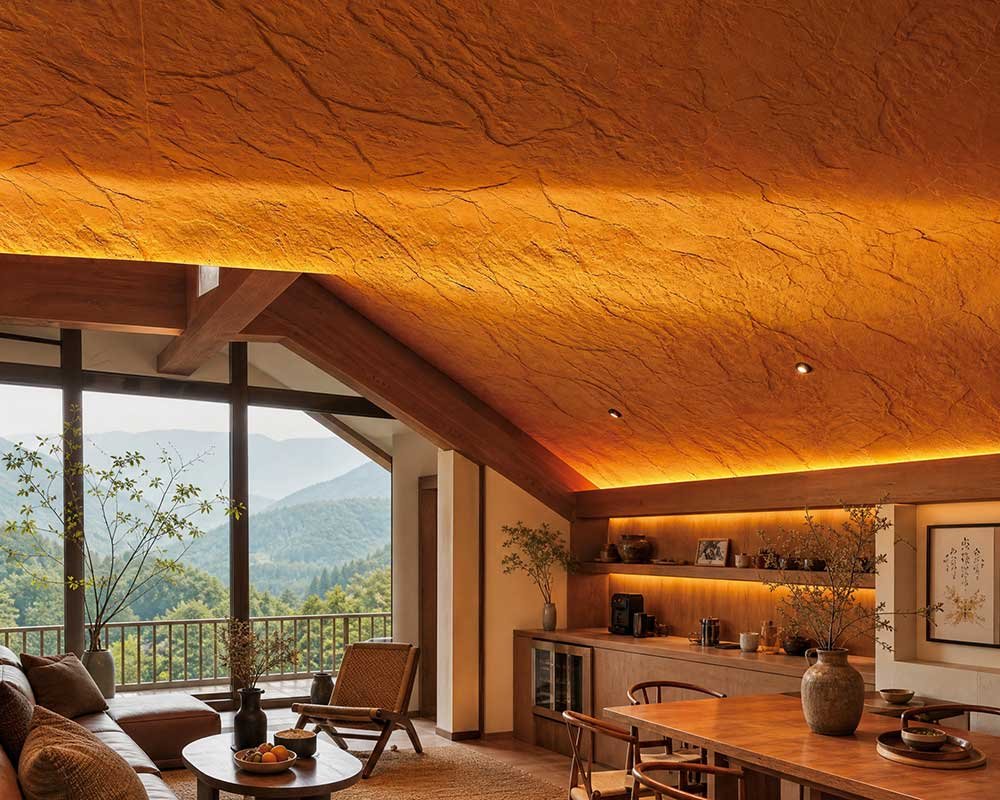
Slate-style soft stone usually features natural layered textures and a stone-like appearance. Its visual effect resembles natural slate and is suitable for:
- Villa exteriors
- Resort hotels
- Guesthouses
- Scenic-area buildings
- Courtyard walls
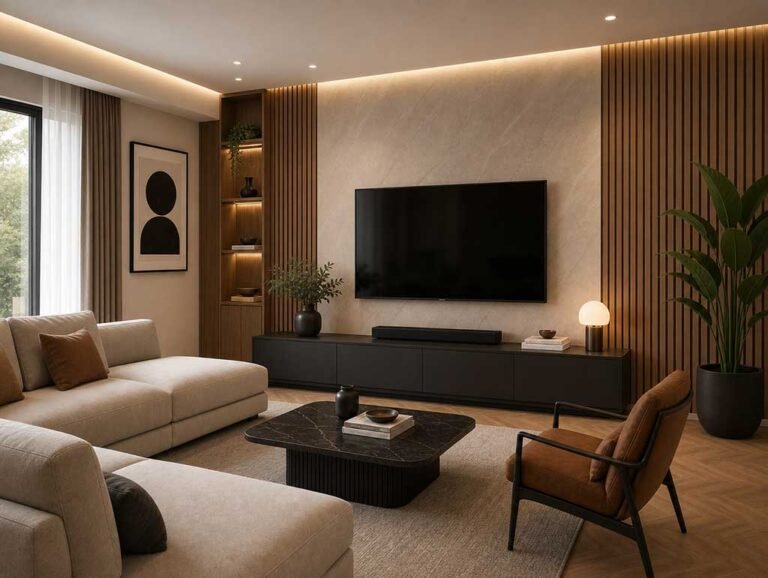
- TV background walls
The layered texture creates noticeable light and shadow variations, providing a natural appearance when used on large wall surfaces.
2. Star Diamond Stone Series
Star Diamond Stone products generally feature fine stone textures and a subtle granular appearance. This style is suitable for modern architecture and commercial spaces and can be used on main building facades, entrances, background walls, and decorative sections.
For buildings with a modern and minimalist design, relatively uniform colors can be selected to avoid excessive visual complexity.
3. Qianmo Stone Series
Qianmo Stone generally features noticeable linear textures and layered patterns, making it suitable for architectural surfaces that require greater visual depth.
Common applications include:
- Villa exteriors
- Commercial buildings
- Landscape walls
- Guesthouses
- Feature building facades
Different horizontal or vertical installation directions can also influence the visual proportions of a building facade.
4. Hemp Rope Stone Series
Hemp Rope Stone usually features pronounced handcrafted textures and natural surface patterns. It is suitable for rural architecture, guesthouses, resort hotels, and cultural or tourism projects with a natural design theme.
When combined with wood, bamboo, and other natural materials, it can create a warmer and more rustic architectural appearance.
5. Xingyue Stone Series
Xingyue Stone typically combines different particles, textures, and colors to create a richer surface effect. It can be used for villas, hotels, commercial spaces, and decorative background walls.
When used on large exterior wall areas, it is recommended to select colors within a consistent palette to avoid excessive visual complexity.
6. New Line Stone Series
New Line Stone generally uses linear textures as its main visual feature. These lines can enhance the sense of direction on a wall, making the style suitable for modern buildings, commercial spaces, and feature walls.
Different installation directions can create different visual effects. For example, horizontal installation can emphasize the horizontal extension of a building, while vertical installation can enhance the visual impression of height.
7. Faux Brick Series
Faux brick soft stone is mainly designed to reproduce the appearance of traditional brick walls. Compared with conventional decorative bricks, soft stone can create a similar brick-wall effect with a lightweight and thin decorative finish.
Common applications include:
- Guesthouses
- Restaurants
- Commercial streets
- Rural buildings
- Hotels
- Vintage-style villas
It is particularly suitable for retro architecture and cultural tourism projects where a historical or traditional architectural atmosphere is desired.
8. Wood Grain Series
Wood grain soft stone reproduces the colors and textures of natural wood. Rather than replacing structural wood, it is primarily used as a decorative finish for exterior walls, courtyard walls, commercial spaces, and interior feature walls.
Combining wood grain patterns with stone textures can create a richer and more layered architectural facade.
2. Main Applications of Soft Stone
- 1. Villa and Residential Exterior Walls
- 2. Hotel Exteriors and Building Facades
- 3. Guesthouses and Characteristic Buildings
- 4. Cultural, Tourism, and Themed Projects
- 5. Commercial Buildings and Office Buildings
- 6. Renovation of Existing Buildings and Exterior Walls
- 7. Interior Feature Walls and Commercial Spaces
- 8. Columns, Curved Walls, and Irregular Spaces
3. What Should You Consider When Choosing Soft Stone?
When soft stone is used for exterior walls, color and texture should not be the only considerations.
First, determine the intended application environment, whether it is for interior decoration or exterior architectural use. You should also check the product’s water absorption, weather resistance, freeze-thaw resistance, dimensional stability, and relevant test data.
For exterior wall projects, particular attention should also be paid to the substrate and installation system, including substrate strength, surface flatness, adhesive materials, and installation methods.
Soft stone products from different manufacturers may use different material systems even when they share names such as Slate, Star Diamond Stone, or Hemp Rope Stone. Therefore, product names alone should not be used to determine performance.
For villas, hotels, guesthouses, and large commercial projects, it is recommended to review product samples and technical documentation before purchase and conduct a small-scale trial installation when necessary. This allows the actual color, texture, adhesion performance, and overall visual effect to be evaluated before full-scale installation.
Faq
1. What are the most common styles of soft stone?
Common soft stone styles include Slate, Star Diamond Stone, Qianmo Stone, Hemp Rope Stone, Xingyue Stone, New Line Stone, Faux Brick, and Wood Grain. Product names, textures, and color options may vary between manufacturers.
2. Where can soft stone be used?
Soft stone can be used for villa exteriors, hotels, guesthouses, commercial buildings, cultural and tourism projects, office buildings, exterior wall renovations, and interior feature walls. It can also be used on certain columns, curved walls, and irregular structures.
3. Is soft stone suitable for exterior walls?
Some soft stone products designed for outdoor applications can be used on exterior walls. When selecting a product, it is important to check its water absorption, weather resistance, freeze-thaw resistance, dimensional stability, and relevant test data, as well as choose an appropriate installation system based on the substrate conditions.
4. Can soft stone be used on curved walls and columns?
Yes. Soft stone has a certain degree of flexibility and can adapt more easily to certain columns, curved walls, and irregular structures than conventional rigid tiles and natural stone. However, the actual bending capability depends on the product’s thickness, formulation, and installation method.
5. What should be considered when choosing soft stone?
In addition to color and texture, you should consider the product’s material, thickness, water absorption, weather resistance, freeze-thaw resistance, dimensional stability, adhesive system, and installation method. For exterior wall projects, it is recommended to review product samples and technical documentation and conduct a small-scale trial installation before full-scale application.