What Is SPC Flooring? Complete Guide
SPC flooring is a waterproof, durable, eco-friendly stone plastic floor used in homes and commercial spaces with easy installation and high wear
For many people, Stone Plastic Composite flooring is still a relatively unfamiliar concept. When choosing decorative materials, most people simply follow recommendations from interior designers. Today, we will introduce what SPC flooring is. In the decorative materials industry, SPC products can be divided into flooring and wall panels, and this article mainly focuses on SPC flooring.
Table of Contents
At present, SPC flooring on the market is typically made by combining stone powder and PVC resin. Its main components include calcium carbonate, PVC powder, and stabilizers. Unlike conventional vinyl flooring, SPC flooring contains no plasticizers, making it a healthier and more environmentally friendly material.
The structure of SPC flooring mainly consists of a UV coating layer, wear-resistant layer, decorative film, SPC rigid core layer, and underlayment. High-end applications often use EVA, IXPE, or cork as the underlayment to improve comfort and sound insulation performance.
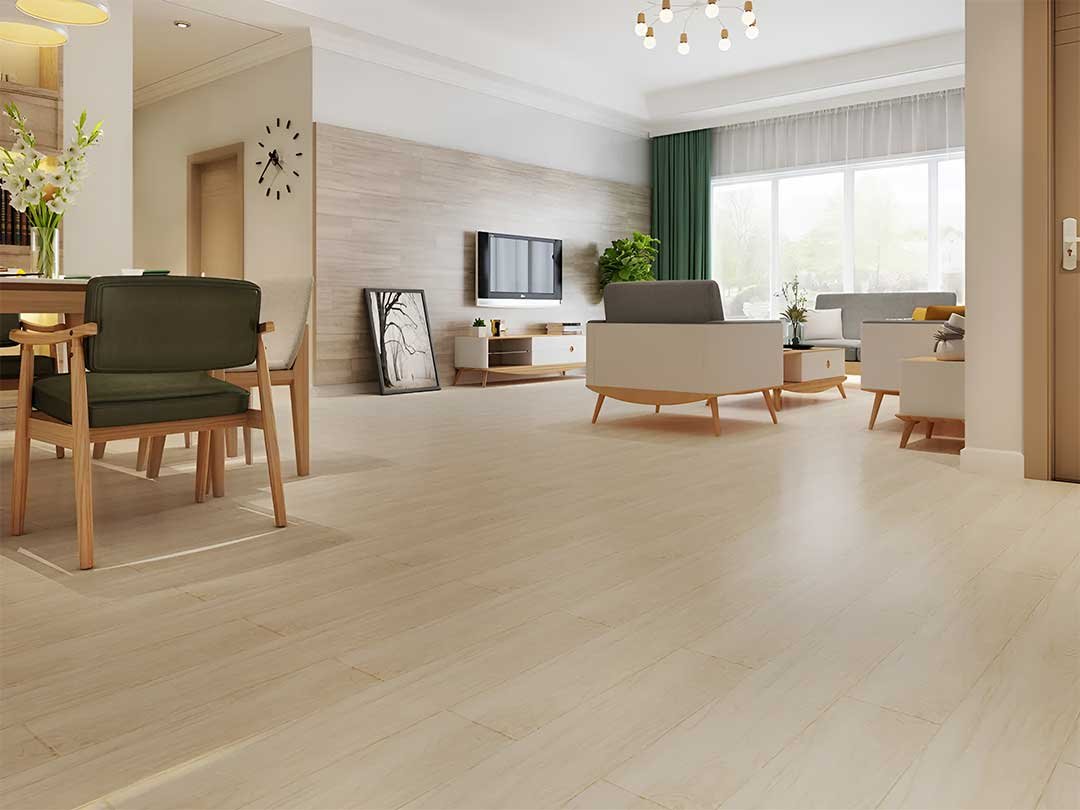
SPC flooring incorporates a wide range of natural design elements, including realistic wood grain, natural stone textures, and carpet patterns, providing more design options for interior spaces while creating a healthy and eco-friendly living environment.
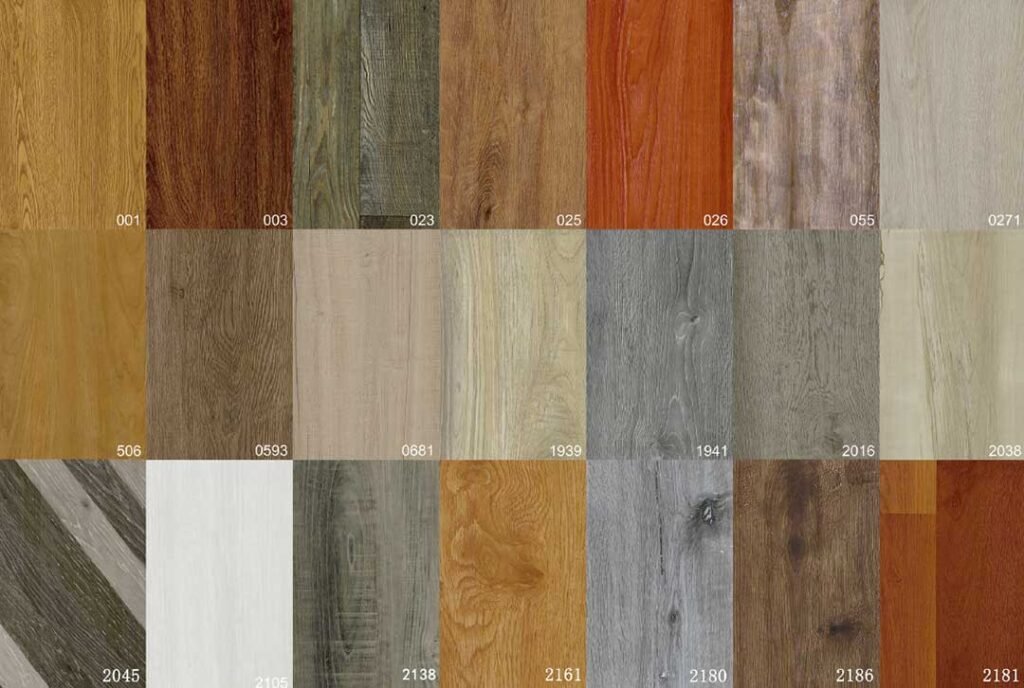
Standard SPC flooring thickness ranges from 3.5mm, 4.0mm, 5.0mm, 6.0mm, to 7.0mm, with a common size of 1220 × 182mm. The product adopts a click-lock installation system, where precision grooves allow the planks to lock together naturally, enabling a glue-free, nail-free, and underlayment-free installation.
Based on eco-friendly SPC materials, the product has zero formaldehyde emission and features mold resistance, moisture resistance, insect resistance, and easy installation. It is produced using a high-temperature lamination and embossing process at around 300°C, without the use of glue during production. The material also uses an environmentally friendly formulation free from heavy metals, phthalates, and formaldehyde, complying with relevant international standards.
With excellent environmental performance and a click-lock structure, SPC flooring effectively solves common problems of solid wood flooring such as moisture damage, warping, and mold growth. As a result, it is widely popular in developed markets in Europe, North America, and the Asia-Pacific region.
Advantages of SPC Flooring
1. Eco-Friendly and Sustainable
The main raw materials of SPC flooring are PVC (polyvinyl chloride) and natural stone powder. PVC is a non-toxic, recyclable material widely used in daily life, such as medical tubing and food packaging, ensuring its safety and reliability. Natural stone powder has been tested by authoritative institutions and contains no radioactive elements, making it a truly eco-friendly material.
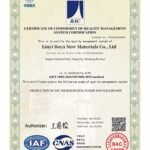
A qualified SPC flooring product typically complies with ISO 9000 quality management system certification and ISO 14001 environmental management certification.
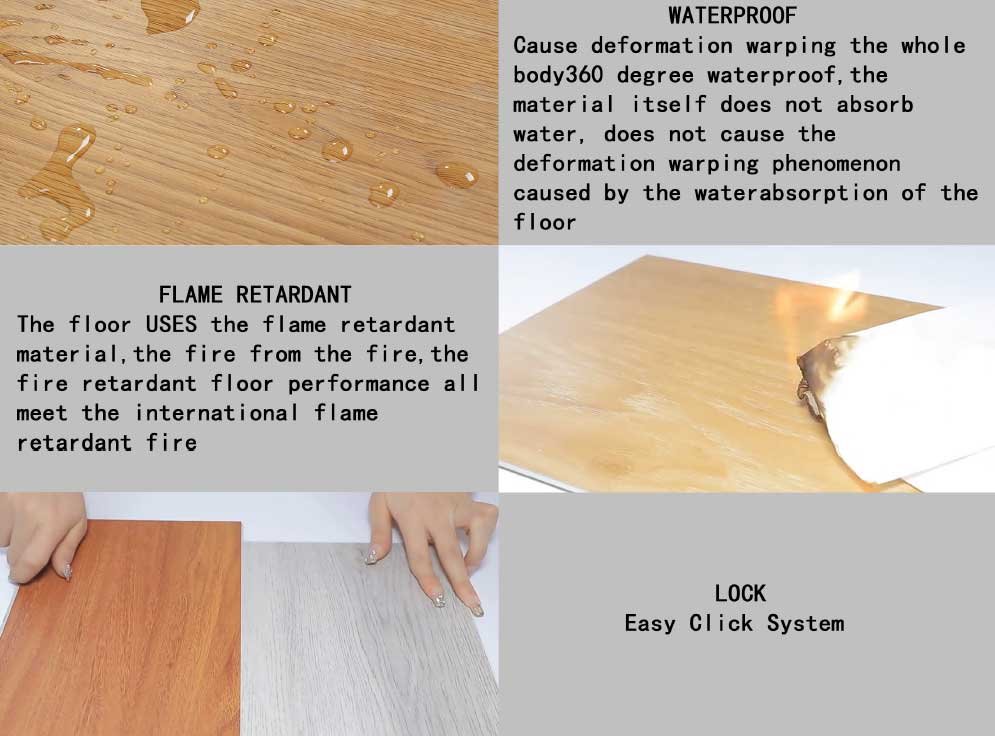
2. Waterproof, Moisture-Resistant, Antibacterial, and Anti-Slip
SPC flooring is primarily made of vinyl resin, which has no affinity with water, meaning it will not deform or grow mold in humid environments. The surface is specially treated for antibacterial and stain resistance, effectively inhibiting bacterial growth and keeping the floor clean and hygienic.
Its wear layer also provides strong anti-slip performance. Compared with conventional flooring materials, SPC flooring offers better grip when exposed to water, reducing the risk of slipping. Therefore, it is widely used in airports, hospitals, kindergartens, schools, and other public spaces with high safety requirements.
3. Super Wear Resistance
SPC flooring features a high-tech transparent wear layer, with abrasion resistance reaching over 8,000 revolutions. In comparison, traditional laminate flooring typically ranges from 800 to 4,000 revolutions.
Depending on thickness, SPC flooring can last approximately 10 to 15 years under normal conditions. Therefore, it is increasingly popular in high-traffic environments such as hospitals, schools, office buildings, shopping malls, supermarkets, and transportation facilities.
4. High Elasticity and Strong Impact Resistance
SPC flooring has good elasticity and quickly recovers under heavy impact without damage. It also has strong impact resistance, effectively absorbing external force and reducing floor damage.
High-quality SPC flooring can reduce impact on the human body and distribute foot pressure more evenly. Studies show that installing SPC flooring in high-traffic areas can reduce accident and injury rates by nearly 70%.
5. Fire Resistance
SPC flooring can reach B1 fire rating, offering excellent flame-retardant performance. It does not ignite spontaneously and self-extinguishes within 5 seconds after leaving the flame source, without releasing toxic gases.
Statistics show that most injuries in fire accidents are caused by toxic smoke. SPC flooring significantly improves safety performance in this regard.
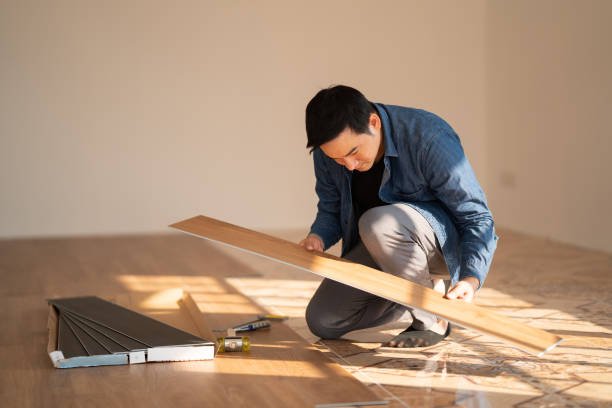
6. Easy Cutting, Splicing, and Installation
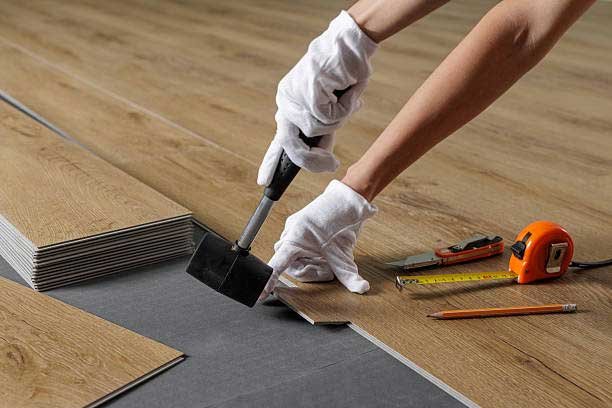
SPC flooring can be easily cut with a utility knife and combined in different patterns to meet designers’ creative requirements. The product features a four-side click-lock system, requiring no glue, cement, or wooden subfloor.
Installation is simple—planks are locked together precisely to form a stable surface. The final result is uniform in color, visually appealing, and highly efficient in construction.
About us
Our factory specializes in the production of SPC flooring (stone plastic flooring / microcrystalline stone flooring) and SPC wall panels (stone plastic wall panels / microcrystalline stone wall panels). We offer more than 100 different designs, including wood grain, marble grain, and carpet textures.
Our products are widely used in residential systems, education systems, medical facilities, commercial spaces, office buildings, sports facilities, and transportation infrastructure, providing versatile decorative solutions for various architectural applications.
Faq
What is SPC flooring made of?
SPC flooring is made of natural stone powder (calcium carbonate) and PVC resin. It does not contain plasticizers, making it more stable, durable, and environmentally friendly compared to traditional vinyl flooring.
Is SPC flooring waterproof?
Yes. SPC flooring is 100% waterproof and will not swell, warp, or mold even in humid environments, making it suitable for kitchens, bathrooms, and basements.
How long does SPC flooring last?
Under normal use, SPC flooring typically lasts 10–15 years or more, depending on the wear layer thickness and installation environment. It is widely used in high-traffic areas due to its strong durability.
Is SPC flooring easy to install?
Yes. SPC flooring uses a click-lock system that allows for glue-free, nail-free, and fast installation. It can be easily cut and assembled, reducing labor cost and installation time.