What Is Soft Stone? Features, Applications, and Market Outlook
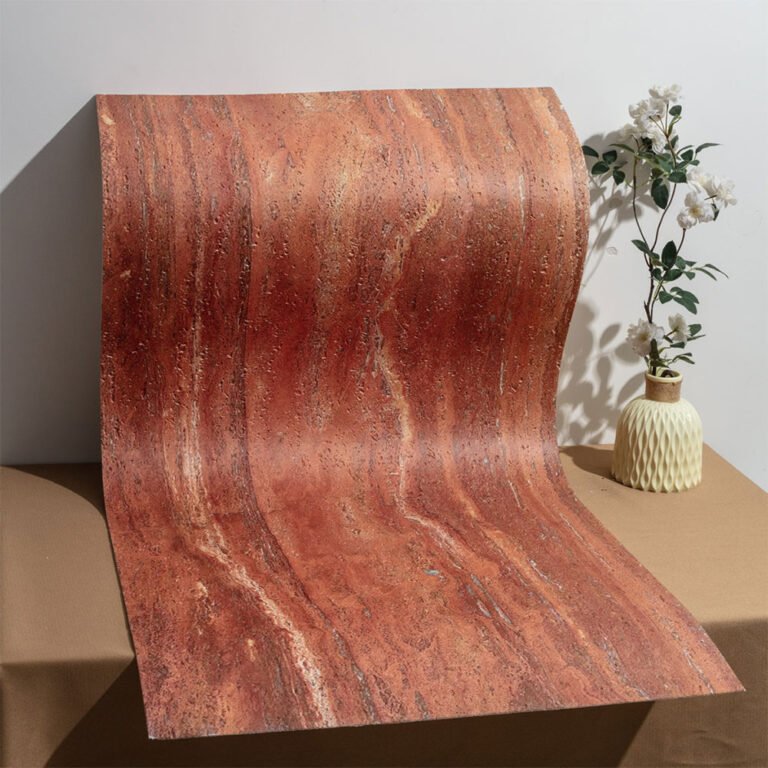
Soft Stone is a lightweight, flexible wall material for curved surfaces, interiors, exteriors, landscapes, and renovations.
When choosing building and decorative materials, people usually think of ceramic tiles, stone, wood finishes, or paint. Each material has its own advantages, but traditional materials can become less practical when a project involves curved walls, irregular architectural shapes, or the renovation of existing buildings. Soft Stone has attracted attention as a new type of architectural finishing material developed to address some of these challenges.
Table of Contents
Soft Stone is also commonly known as flexible ceramic tile or flexible wall finishing material. Instead of having the rigid structure of conventional ceramic tiles, it combines decorative versatility with a certain degree of flexibility. For designers, this creates another option for projects where extensive cutting, fitting, or changes to the original design would otherwise be necessary.
Of course, Soft Stone is not a material that can solve every construction problem. It has its own advantages as well as limitations related to cost, market awareness, and installation experience. Understanding these factors makes it easier to determine whether Soft Stone is suitable for a particular project rather than relying only on product marketing.
What Is Soft Stone?
Soft Stone is a flexible finishing material used for architectural decoration. Depending on the manufacturer and production process, it may contain mineral powders, modified clay, polymer materials, and various functional additives.
Compared with conventional ceramic tiles, Soft Stone generally does not rely on traditional high-temperature firing. After forming, texturing, and surface treatment, the material can achieve a certain degree of flexibility.
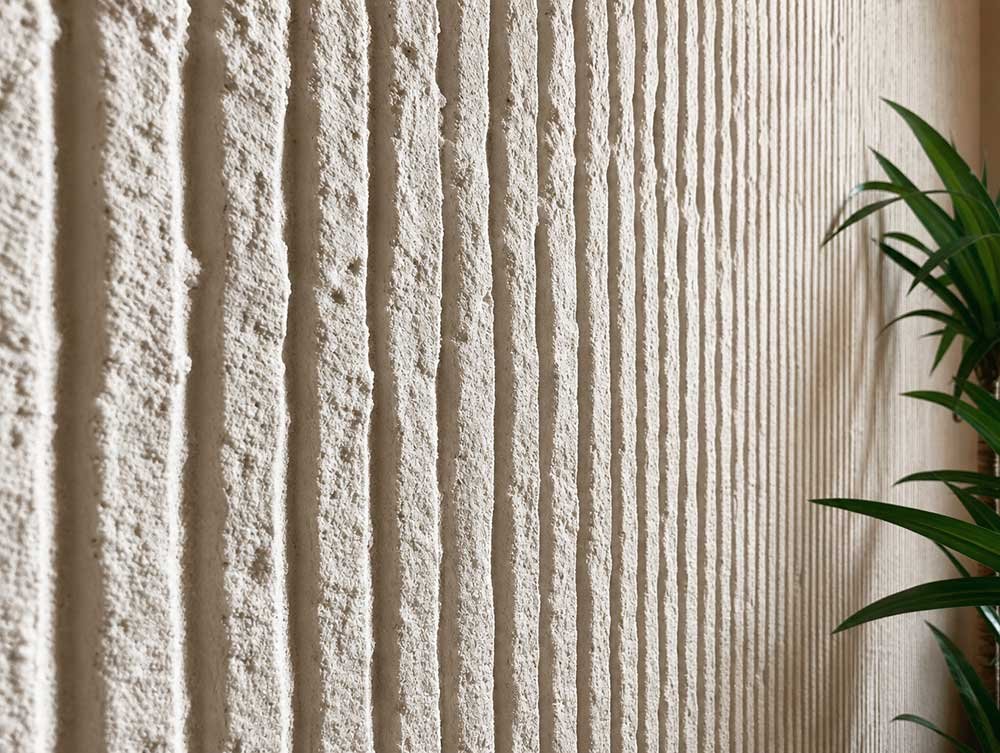
Soft Stone can be designed to imitate natural stone, decorative brick, wood grain, concrete, sandstone, and other surface effects. Therefore, it is more appropriate to understand Soft Stone as a flexible architectural finishing material rather than simply a ceramic tile that can bend.
Different Soft Stone products can vary significantly in raw materials, thickness, density, and manufacturing processes. Properties such as fire resistance, weather resistance, water resistance, and impact resistance should therefore be evaluated according to the manufacturer’s technical data and test reports.
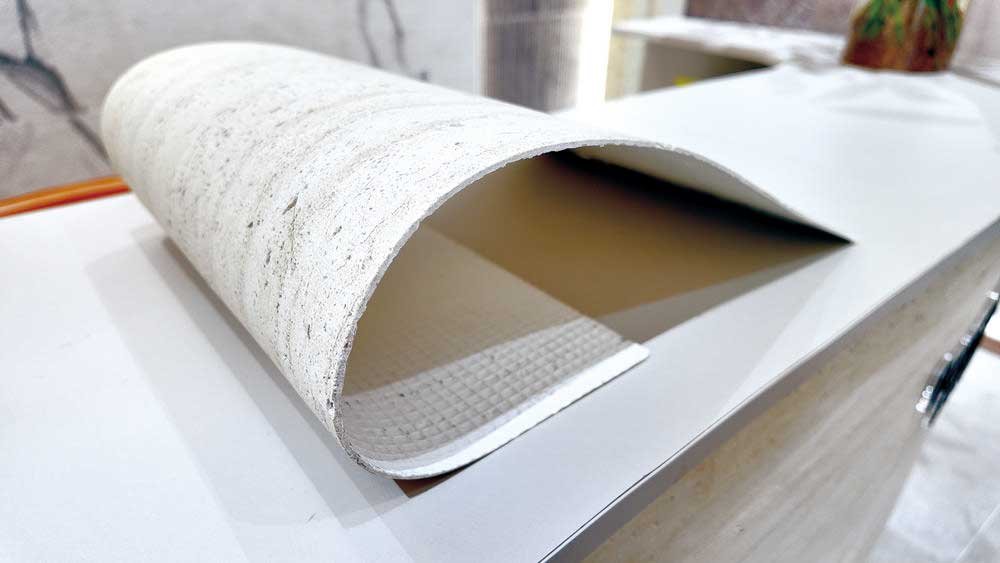
What Are the Main Features of Soft Stone?
Soft Stone Offers Flexibility
Flexibility is one of the key features of Soft Stone.
Conventional ceramic tiles are rigid materials. When they are installed on columns, curved walls, or complex architectural surfaces, considerable cutting and fitting may be required.
Soft Stone can adapt to certain curved or irregular substrates, making it useful for columns, curved walls, and special architectural shapes.
However, the flexibility of Soft Stone is not unlimited. The allowable bending radius depends on factors such as material thickness, formulation, and structural design.
Soft Stone Is Relatively Lightweight
Material weight is an important consideration in high-rise buildings, renovation projects, and structures with load limitations.
Some Soft Stone products are thinner and lighter than natural stone or heavy ceramic finishes. This can reduce transportation weight and make handling and installation easier.
This characteristic can be particularly useful when large wall areas need to be covered.
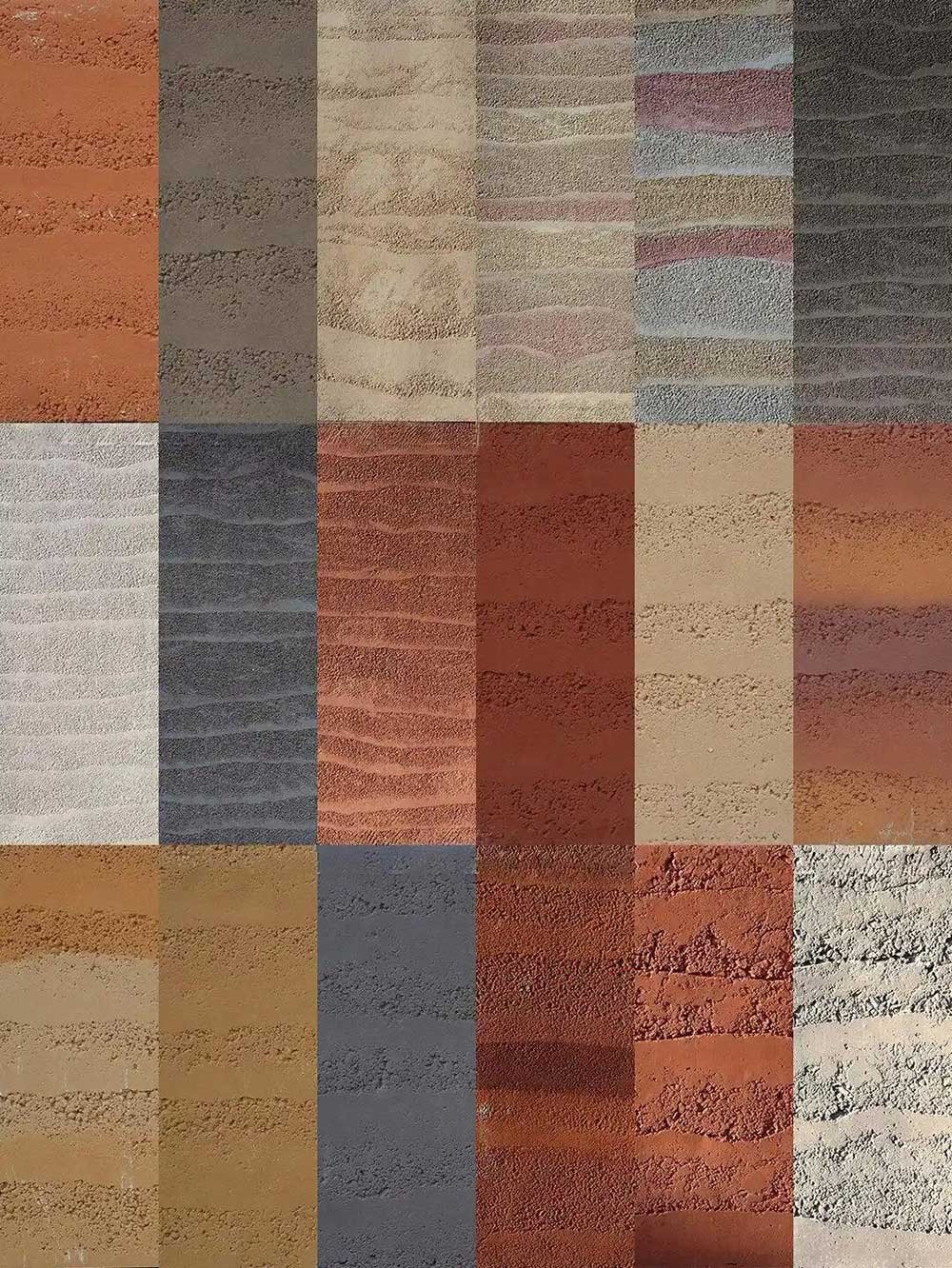
Soft Stone Offers a Wide Range of Decorative Effects
The value of a wall finish is not determined only by its color. Different surface textures can create completely different visual effects in the same space.
Through molding and surface treatment, Soft Stone can reproduce the appearance of:
- Natural stone
- Decorative brick
- Wood grain
- Concrete
- Sandstone
- Cultured stone
- Artistic textures
These options make Soft Stone suitable for hotels, commercial spaces, residential buildings, landscape projects, and other architectural applications.
Soft Stone Can Simplify Some Complex Installations
Soft Stone is generally installed with adhesive rather than requiring a complicated structural framework like some curtain wall systems.
For standard wall applications, this can provide a relatively direct installation method.
However, lightweight does not automatically mean that every project is easy to install. Substrate flatness and strength, adhesive selection, temperature, moisture, and waterproofing conditions all need to be considered.
For exterior walls, proper substrate preparation is particularly important. Poor installation conditions may result in hollow areas, bonding failure, or detachment.
Where Is Soft Stone Used?
Soft Stone can be used in residential buildings, commercial properties, hotels, offices, public buildings, landscape projects, and renovation work.
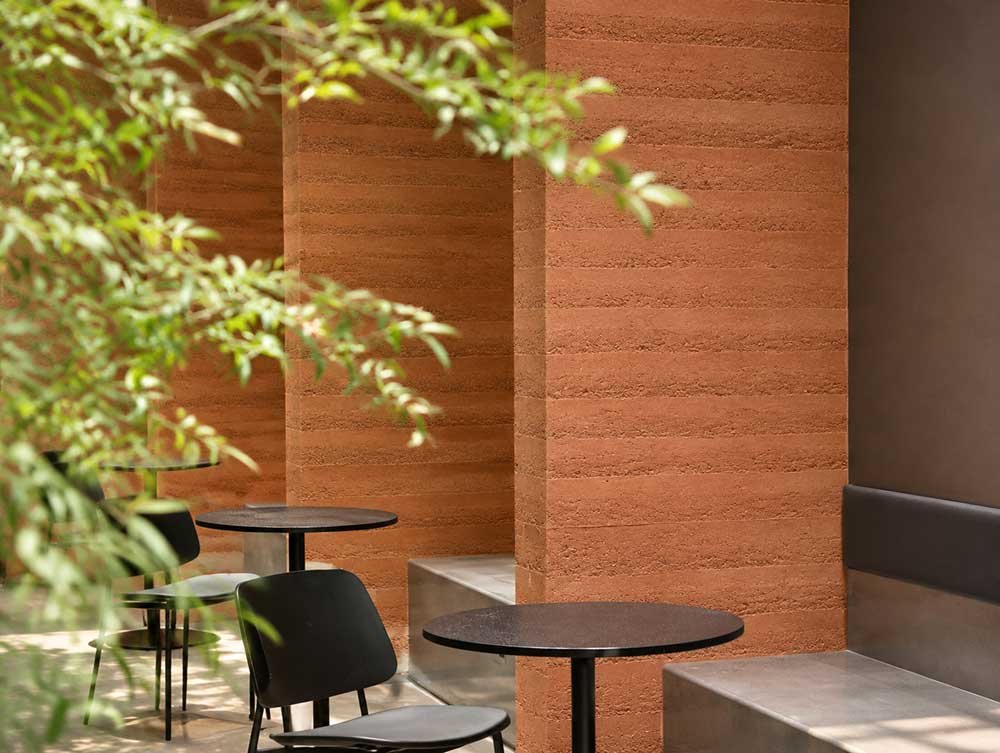
Soft Stone for Exterior Walls
Exterior walls are one of the important application areas for Soft Stone.
Products with stone, brick, or sandstone textures can add visual variety to building facades. The flexible characteristics of the material can also provide additional options for buildings with curved or complex shapes.
However, exterior applications have higher technical requirements than interior applications.
Important factors include:
- Fire performance
- Weather resistance
- Water resistance
- UV resistance
- Freeze-thaw resistance
- Bonding strength
- Impact resistance
For regions with cold winters or significant temperature changes, weather resistance and freeze-thaw performance should receive particular attention.
Soft Stone for Interior Walls
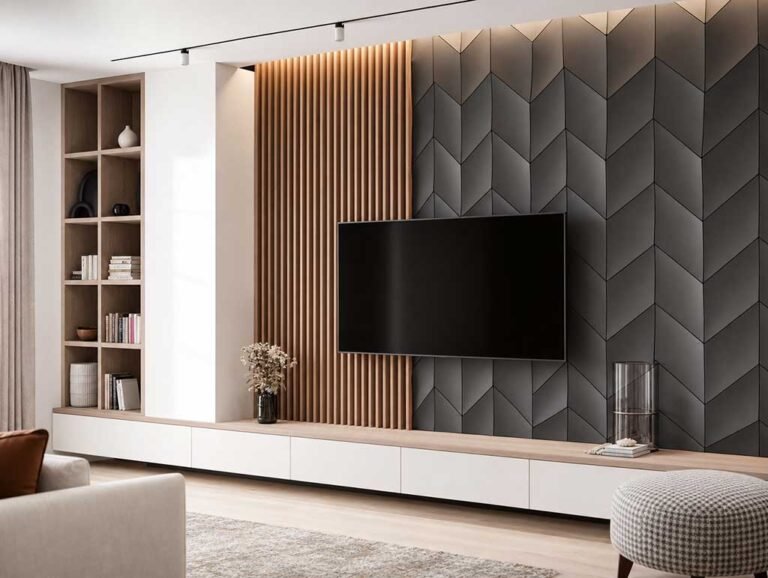
Soft Stone can be used on feature walls in living rooms, hotels, restaurants, offices, and commercial spaces.
Concrete textures can create an industrial-style appearance, while wood and stone effects can provide a more natural atmosphere. Stronger artistic textures can also be used in commercial and hospitality environments.
The value of Soft Stone is not simply that it may be cheaper than ceramic tiles. Its advantages also come from its different decorative effects, material characteristics, and installation methods.
Soft Stone for Curved and Irregular Spaces
Curved and irregular spaces are among the areas where Soft Stone can provide a practical alternative.
For example, installing conventional ceramic tiles on a cylindrical wall may require a large number of small pieces and complicated cutting.
A flexible finishing material can reduce some of this cutting and fitting work, making certain curved architectural designs easier to realize.
Soft Stone for Landscape Design
Soft Stone can be used in parks, courtyards, commercial streets, landscape walls, cultural walls, and other outdoor design projects.
Products with natural stone or brick effects can provide the visual appearance of traditional materials while offering a relatively lightweight alternative.
Soft Stone for Building Renovation
Building renovation is another potential application for Soft Stone.
Existing buildings often have structural limitations, and adding significant additional weight may not always be practical.
Lightweight finishing materials can therefore provide another option for updating existing walls in residential buildings, hotels, commercial properties, and public buildings.
Soft Stone can be considered for selected renovation projects where appearance, weight, and installation conditions need to be considered together.
What Is Happening in the Soft Stone Market?
It is difficult to find a universally accepted global market size specifically for Soft Stone because different manufacturers and research organizations may use different terms.
Some products may be described as Soft Stone, Flexible Ceramic Tile, Flexible Stone, MCM, or other related terms. As a result, publicly available market research does not always classify these products under a single market category.
The broader building and decorative materials market remains large and highly competitive. Traditional ceramic tiles continue to have a mature and extensive global market, while manufacturers are increasingly looking for product differentiation and new application opportunities.
This creates space for materials that focus on lightweight construction, distinctive textures, flexible installation, and design-oriented applications.
Soft Stone is therefore developing as a niche material within the broader architectural finishing market.
Can Green Building Create New Opportunities for Soft Stone?
The construction industry is paying increasing attention to environmental impact and resource efficiency.
Green building considerations can include production processes, energy consumption, material durability, installation methods, service life, and end-of-life treatment.
Some Soft Stone products use manufacturing processes that differ from traditional high-temperature ceramic tile production, which may offer opportunities to reduce energy consumption depending on the specific formulation and production method.
However, manufacturers should avoid relying only on general claims such as “eco-friendly” or “green material.” Test reports, certifications, technical data, and transparent information about the production process provide more useful evidence for customers.
For international projects, especially those involving green building requirements or ESG considerations, measurable environmental and technical data can become increasingly important.
Conclusion
Soft Stone is not a universal replacement for conventional ceramic tiles, natural stone, or other architectural finishing materials.
Its main characteristics include flexibility for curved and irregular designs, relatively lightweight construction for certain renovation and large-wall applications, and a wide range of surface textures for personalized architectural design.
At the same time, Soft Stone still faces challenges related to market awareness, product standards, installation experience, and cost.
As the building materials industry continues to explore lightweight materials, sustainable production, and personalized architectural design, Soft Stone is becoming a more noticeable niche option.
For manufacturers, designers, contractors, and distributors, Soft Stone can be viewed as a material designed for specific architectural requirements rather than simply a replacement for conventional ceramic tiles.
When a project involves curved surfaces, lightweight wall finishes, or distinctive decorative textures, Soft Stone can be considered as one of the available material options.
Faq
1. What is Soft Stone?
Soft Stone is a flexible architectural finishing material used for interior and exterior walls. It can reproduce the appearance of natural stone, brick, wood, concrete, sandstone, and other decorative surfaces while offering a certain degree of flexibility.
2. What are the main advantages of Soft Stone?
The main advantages of Soft Stone include relatively lightweight construction, flexibility, a wide range of decorative textures, and suitability for some curved or irregular surfaces. It can also provide an alternative solution for certain renovation and large-wall projects.
3. Can Soft Stone be used on exterior walls?
Yes, Soft Stone can be used for exterior walls when the product is specifically designed and tested for outdoor applications. Weather resistance, water resistance, UV resistance, freeze-thaw performance, bonding strength, and fire performance should be checked before installation.
4. Can Soft Stone be installed on curved walls?
Soft Stone can be suitable for some curved and irregular surfaces because of its flexibility. However, its bending capability is limited and depends on the product’s thickness, formulation, and structure. The manufacturer’s recommended minimum bending radius should be followed.
5. Is Soft Stone suitable for building renovation?
Soft Stone can be considered for selected renovation projects because some products are relatively lightweight and can provide a new decorative finish without adding as much weight as certain traditional materials. The existing substrate, bonding conditions, and project requirements should be evaluated before installation.