8 Reasons to Choose Flexible Stone for Modern Buildings
Discover 8 key reasons to choose flexible stone, including eco-friendly, formaldehyde-free materials, lightweight design, fast installation...
As modern architecture and interior design continue to evolve, the focus has shifted beyond aesthetics and material costs. Today, greater emphasis is placed on environmental sustainability, safety, installation efficiency, and long-term value.
Flexible stone is an innovative decorative surface material that is increasingly being used in commercial spaces, luxury residences, and building façade systems. Combining the visual appeal of natural stone, fabric, linen, and other textures with lightweight construction, flexibility, and formaldehyde-free environmental performance, MCM has become one of the most promising materials for green building projects.
Table of Contents
What Is Flexible Stone?
Flexible stone is not traditional ceramic tile or natural stone. Instead, it is a new-generation architectural surface material made from:
- Modified mineral powders
- Natural stone powder
- Polymer materials
- Eco-friendly stabilizing additives
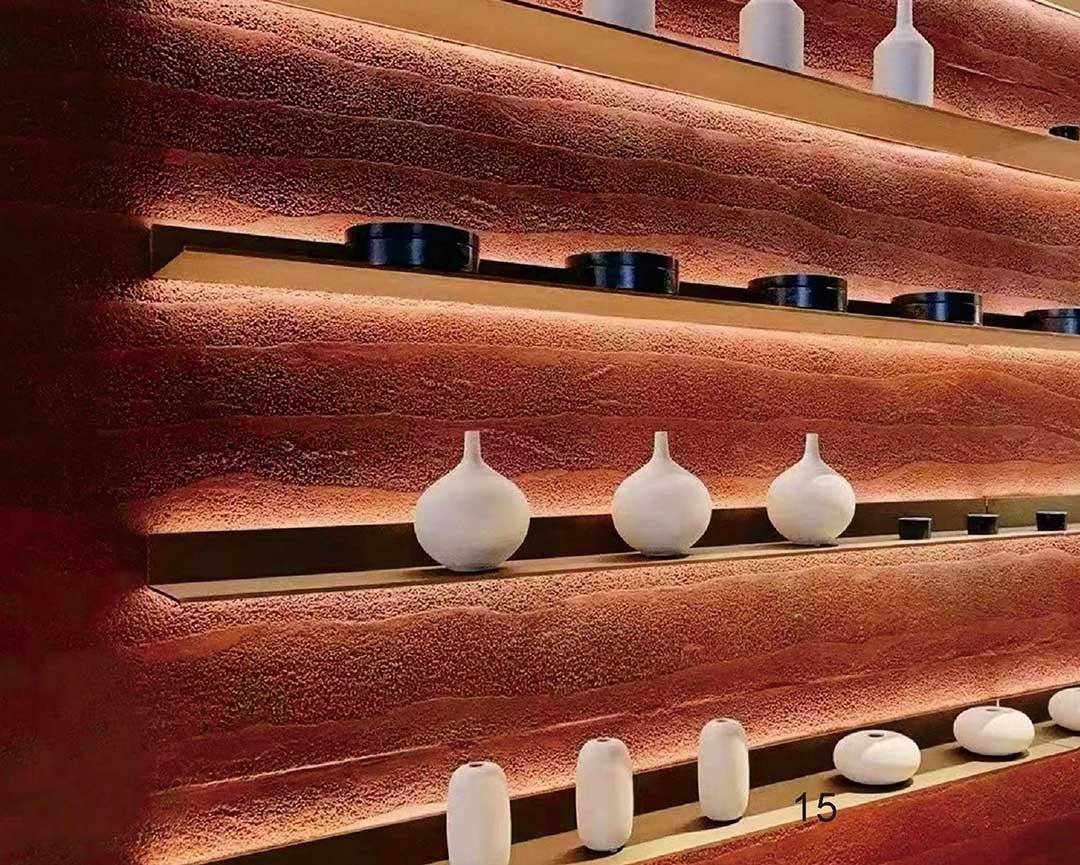
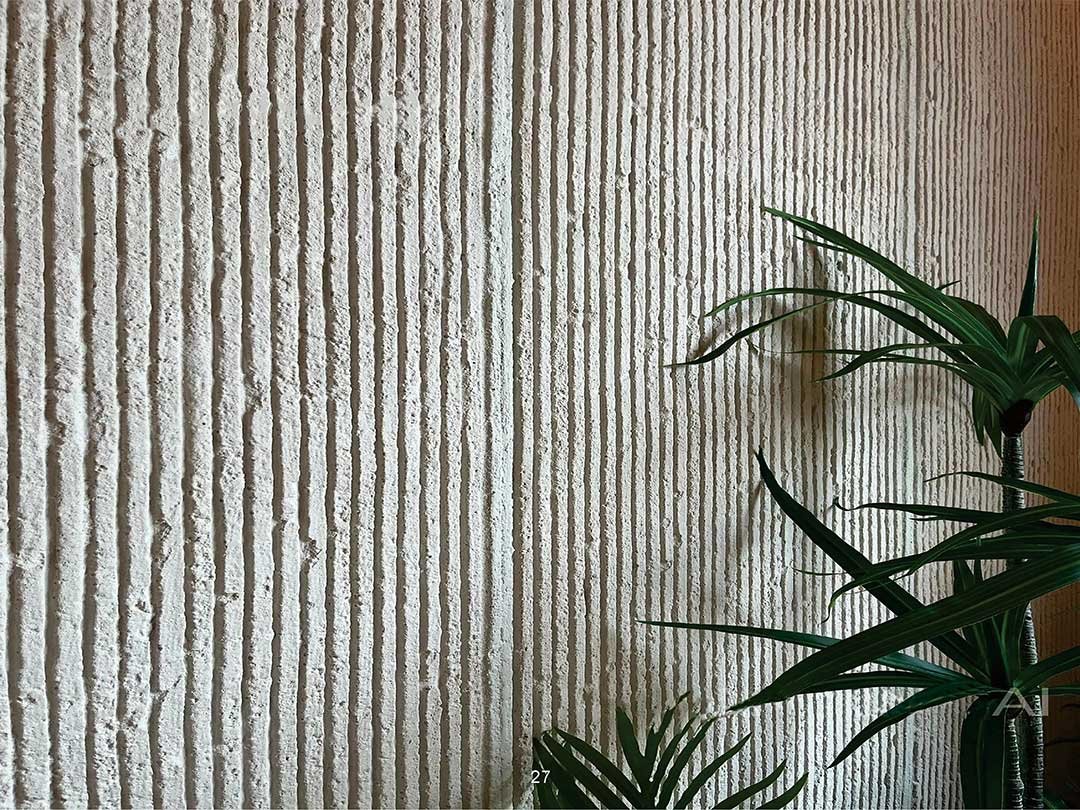
Using advanced manufacturing technology, these materials are transformed into ultra-thin flexible panels with a thickness of only 3–6 mm. The finished products can realistically replicate a variety of textures, including:
- Natural stone finishes
- Industrial concrete effects
- Sintered brick appearances
- Wood grain and fabric textures
Essentially, flexible stone functions as a building skin system rather than a structural material.
In terms of appearance, flexible stone is generally available in two categories:
- Solid-color textures, which feature authentic surface relief and tactile depth.
- 3D printed finishes, where an additional decorative layer is printed onto the textured surface, creating richer colors and more realistic visual effects.
Eight Key Reasons to Choose Flexible Stone
1. Environmentally Friendly and Formaldehyde-Free
One of the biggest advantages of flexible stone is its excellent environmental performance:
- Formaldehyde-free
- Free from heavy metal contamination
- Low VOC emissions
- Compliant with green building material standards
According to testing data, high-quality flexible stone products can achieve non-detectable formaldehyde emissions, allowing spaces to be occupied immediately after installation without extended ventilation periods.
Ideal applications include:
- Children’s rooms
- Hospitals and healthcare facilities
- Schools and educational buildings
- Luxury homes, boutique hotels, and resorts
As healthy building standards become increasingly important, formaldehyde-free materials have become a major competitive advantage.
2. Ultra-Lightweight Construction
Flexible stone weighs only:
4–5 kg/m²
Compared with traditional materials:
| Material | Weight |
|---|---|
| Natural Stone | 45–70 kg/m² |
| Ceramic Tile | 18–25 kg/m² |
| Flexible Stone (MCM) | 4–5 kg/m² |
Its lightweight structure significantly reduces building loads, improves construction safety, and increases installation efficiency.
3. Flexible and Highly Adaptable for Creative Designs
Unlike traditional stone materials that are difficult to apply on curved surfaces, flexible stone offers exceptional adaptability and design freedom.
It can be installed on:
- Curved walls
- Round columns
- Archways
- Irregular architectural façades
This allows designers to move beyond straight lines and create more dynamic, flowing architectural spaces.
4. Waterproof Yet Breathable
Flexible stone features a unique dual-performance structure:
- Waterproof surface
- Breathable internal structure
Benefits include:
- Preventing wall condensation
- Reducing mold growth
- Improving performance in humid environments
- Extending building lifespan
This makes it particularly suitable for coastal regions, humid climates, underground spaces, tourist resorts, cultural centers, and landmark structures.
5. Faster Installation and Lower Project Costs
Flexible stone is installed using direct adhesive application, eliminating the need for complex support systems or stone anchoring frameworks.
Advantages include:
- Can be installed directly over existing tiles or walls
- No demolition required
- Less construction waste
- Lower requirements for wall flatness
Installation efficiency comparison:
- Traditional stone: 8–12 m² per worker per day
- Flexible stone: 30–60 m² per worker per day
This can improve installation efficiency by approximately 3–5 times while significantly shortening project schedules.
6. Low-Carbon and Sustainable
Flexible stone offers substantial environmental benefits throughout production and application:
- Low-energy manufacturing processes
- Reduced resource consumption
- Recyclable materials
- Compatible with green building standards such as LEED
Carbon emission comparison:
- Natural stone: 8–15 kg CO₂/m²
- Flexible stone: 2–4 kg CO₂/m²
This represents a reduction of approximately 60–80% in carbon emissions.
7. Superior Logistics and Transportation Efficiency
Thanks to its lightweight and ultra-thin design, flexible stone offers major transportation advantages:
- Traditional stone: approximately 600–800 m² per 40HQ container
- Flexible stone: approximately 2,500–4,000 m² per 40HQ container
This improves shipping efficiency by 3–5 times while significantly reducing international logistics costs.
8. Long Service Life and Lower Maintenance Costs
Flexible stone can achieve a service life of:
15–20 years or more
Compared with other decorative materials:
- Wallpaper: 3–5 years
- Paint coatings: 5–8 years
- Standard decorative panels: 8–12 years
For exterior applications, UV-resistant protective coatings are often applied to further enhance weather resistance and extend service life.
A longer lifespan means lower life-cycle costs and better long-term value.
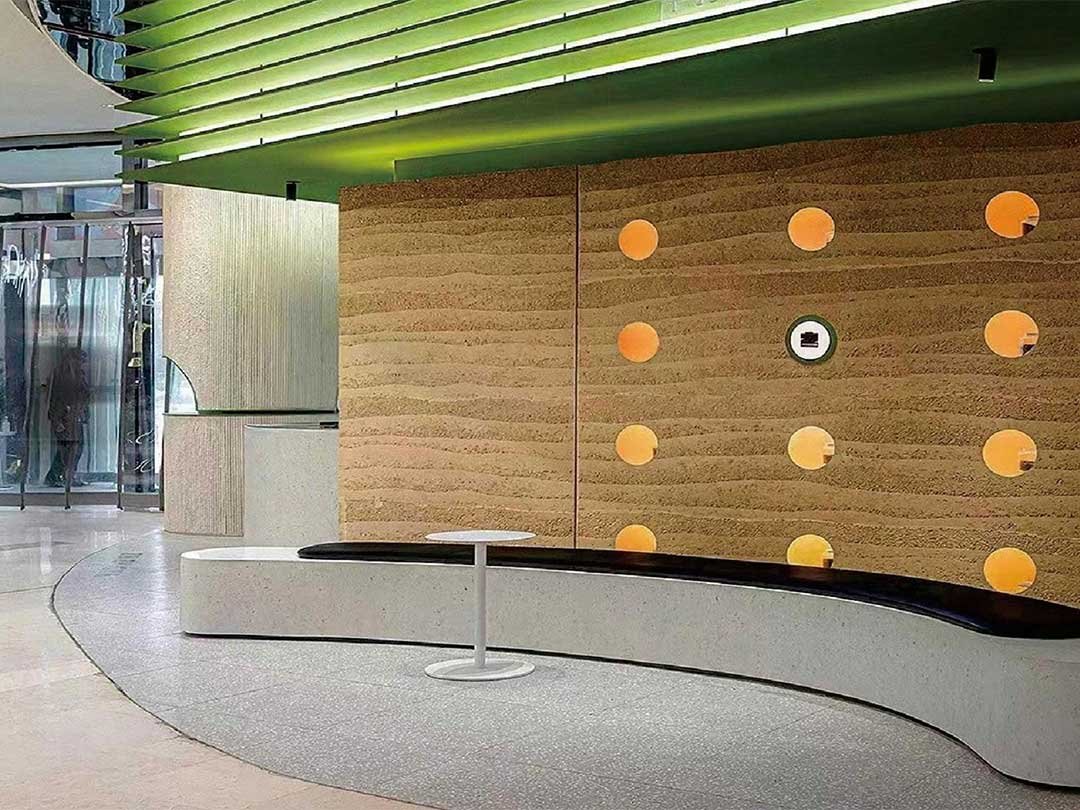
Flexible Stone vs Traditional Materials
| Material | Environmental Performance | Weight | Installation Speed | Formaldehyde Emissions | Cost Structure |
| Flexible Stone (MCM) | High | Light | Fast | None | Lower Overall Cost |
| Natural Stone | Medium | Heavy | Slow | None | High |
| Wood Veneer | Medium | Medium | Moderate | Possible | Medium |
| PVC Panels | Medium | Light | Fast | Possible VOC Emissions | Medium |
Overall, flexible stone offers clear advantages in environmental performance, safety, and installation efficiency.
Application Scenarios
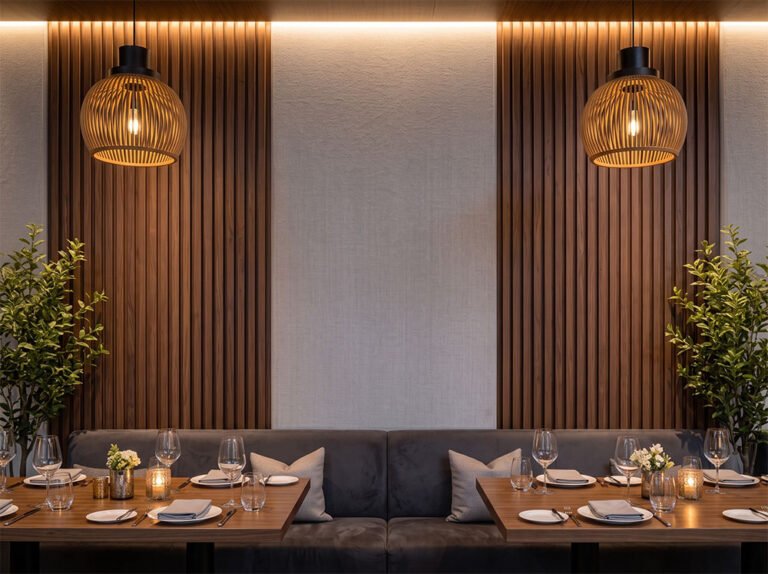
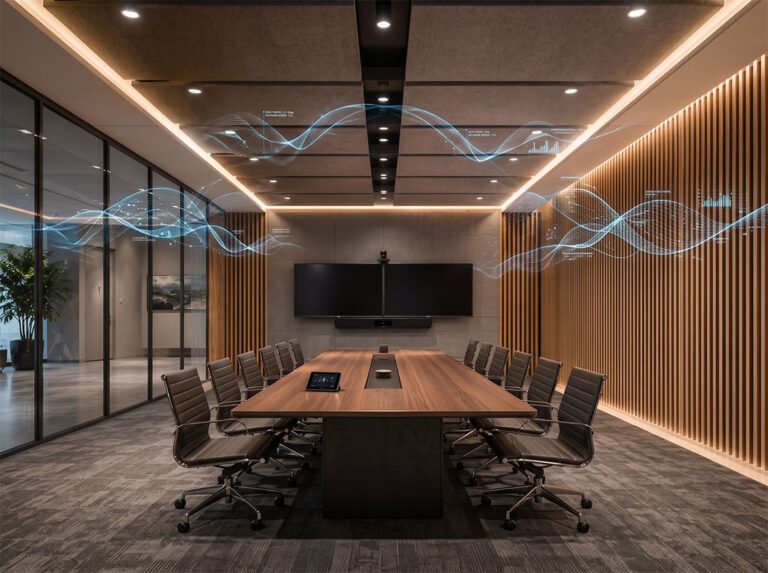
Flexible stone can be used in a wide range of interior and exterior applications, including flat and curved surfaces.
Commercial Spaces
- Shopping mall façades
- Retail stores
- Hotel lobbies
Luxury Residential Projects
- Feature walls
- Staircase walls and columns
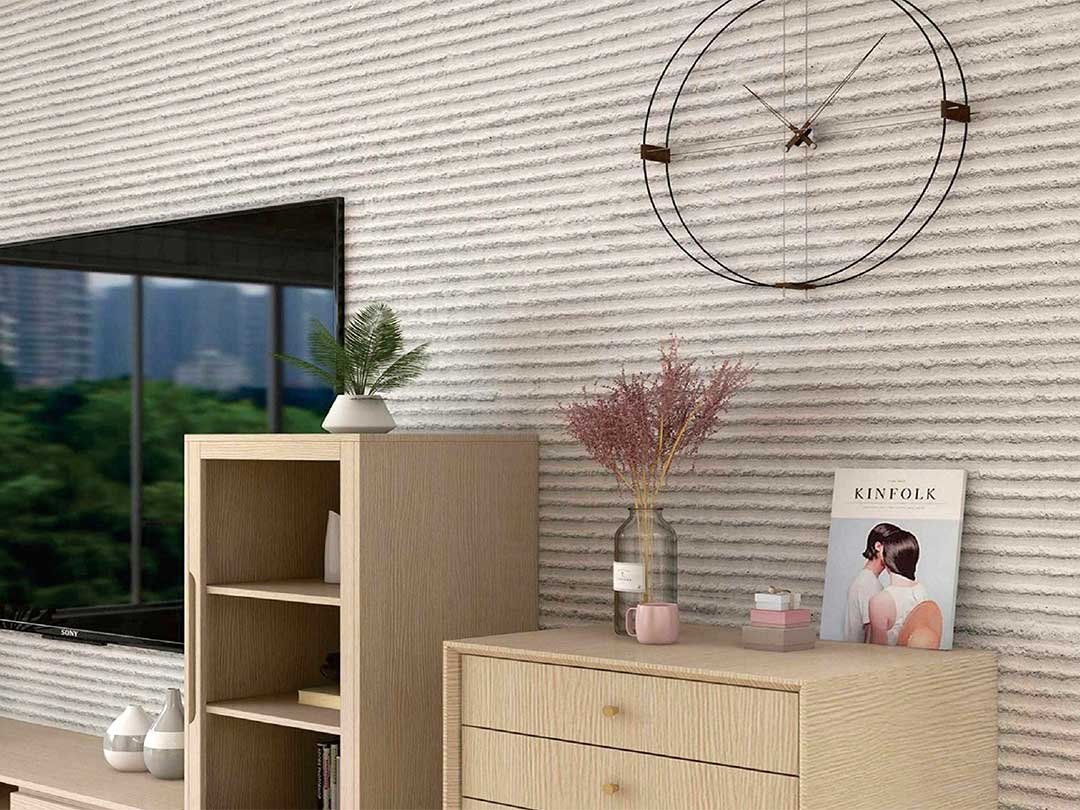
- TV background walls
Public Buildings
- Hospitals
- Schools
- Airports and transportation hubs
Building Façades
- High-rise exterior walls
- Building renovation and refurbishment projects
Why Flexible Stone Is Becoming an Industry Trend
The construction industry is undergoing three major transformations:
From Heavy Materials to Lightweight Materials
Reducing structural loads and improving safety.
From Complex Installation to Faster Construction
Increasing efficiency and lowering labor costs.
From High Pollution to Sustainable Materials
Meeting global green building and low-carbon standards.
Flexible stone aligns perfectly with all three trends.
Conclusion
Flexible stone is more than just a decorative material—it is a future-oriented solution for sustainable architecture.
With its formaldehyde-free composition, lightweight structure, design flexibility, installation efficiency, and low-carbon benefits, flexible stone is gradually replacing traditional stone and many conventional wall-finishing materials.
In the future of construction and design, flexible stone will not simply be an option—it will be a trend.
Faq
What is flexible stone?
Flexible stone (MCM) is a lightweight decorative material made from modified minerals and polymers that replicates the look of natural stone, brick, or concrete.
Is flexible stone environmentally friendly?
Yes. Flexible stone is formaldehyde-free, low in VOC emissions, recyclable, and suitable for green building projects.
Can flexible stone be used outdoors?
Yes. Flexible stone is waterproof, weather-resistant, and commonly used for building façades, hotels, and commercial projects.
Why choose flexible stone over natural stone?
Flexible stone is lighter, easier to install, more flexible for curved surfaces, and reduces transportation and installation costs.