6 Common SPC Flooring Installation Mistakes to Avoid
Learn the 6 most common SPC flooring installation mistakes and how to avoid them for a durable, stable, and professional-looking floor.
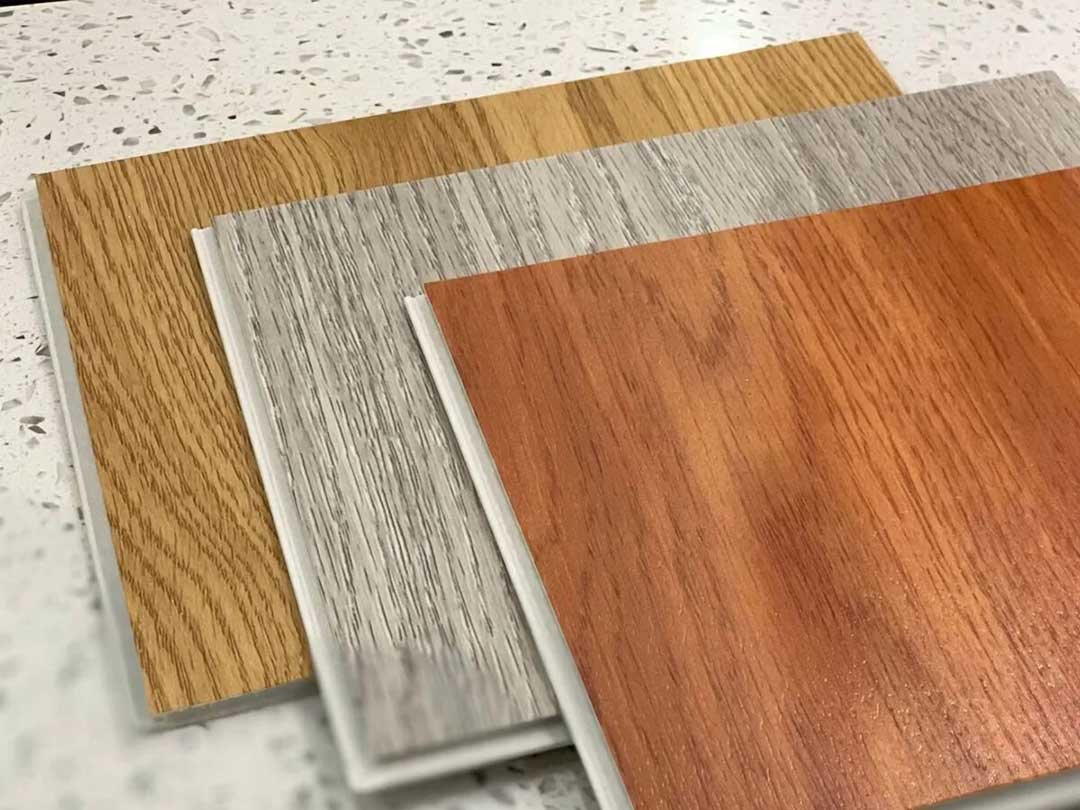
SPC flooring (Stone Plastic Composite Flooring) has become one of the most popular flooring choices for residential, commercial, and renovation projects thanks to its excellent waterproof performance, durability, and attractive appearance.

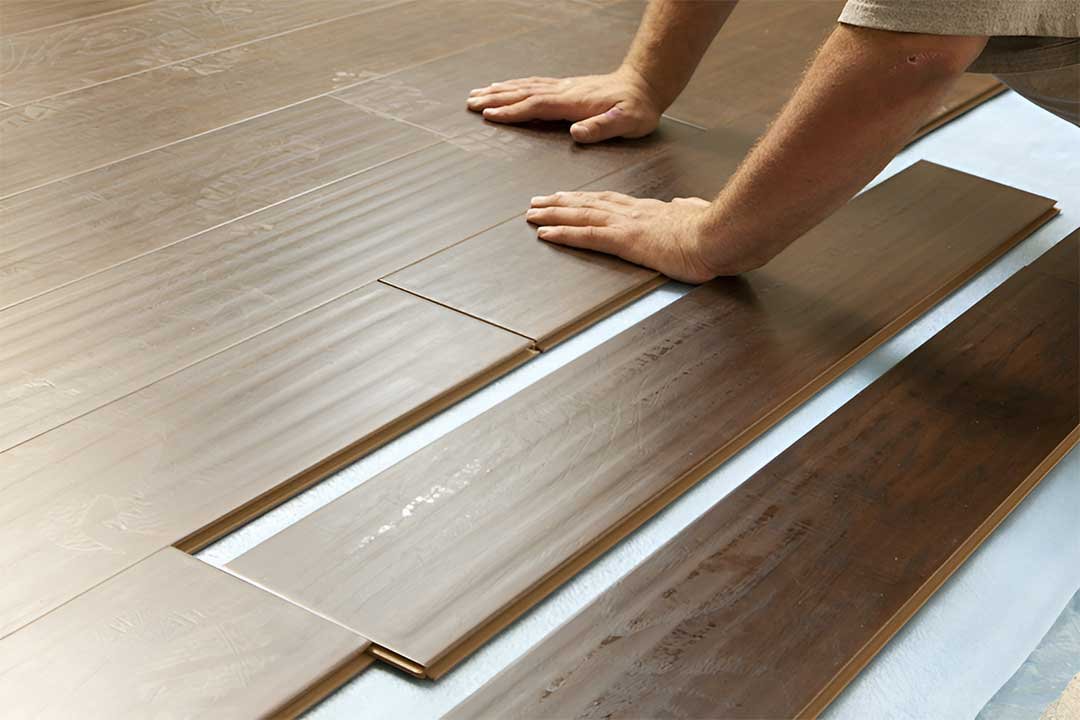
Although SPC flooring features a click-lock installation system that makes installation relatively straightforward—and we have previously covered the installation process in detail on our blog—many users still make common mistakes during installation. These mistakes can lead to edge lifting, large gaps, squeaking noises, or even premature floor failure.
Based on these common issues, and to help ensure a longer service life and better installation results for your SPC flooring, I have summarized the six most common mistakes along with the correct solutions. Hopefully, this guide will help you avoid costly problems and achieve a professional-looking floor.
Table of Contents
Mistake 1: Skipping the Acclimation Process
Many people begin installing SPC flooring immediately after receiving it, assuming that its rigid structure makes acclimation unnecessary. In my opinion, this is one of the most critical mistakes that can occur during installation.
In reality, although SPC flooring is more dimensionally stable than traditional wood flooring, it can still be affected by changes in temperature and humidity. No material is completely immune to environmental conditions. If the flooring has been stored in a warehouse environment that differs significantly from the installation site, installing it immediately may result in shrinkage, gaps, or localized deformation later on.
Best Practices
- Leave unopened SPC flooring cartons in the installation area for at least 48 hours.
- Maintain room temperatures between 18°C and 30°C (65°F–85°F).
- Keep relative humidity between 35% and 65%.
- Store cartons flat and allow adequate air circulation around them.
Allowing the flooring to acclimate helps minimize dimensional changes after installation. Think of it like introducing a new fish into an aquarium—you do not place it directly into the tank. Instead, you let the fish remain in its oxygenated bag for a period of time so it can gradually adjust to the water temperature.
Mistake 2: Poor Subfloor Preparation
Every successful construction or installation project starts with a solid foundation. No matter how high-quality your SPC flooring is, an uneven, damp, or dirty subfloor will negatively affect the final result and may lead to costly repairs or reinstallation.
Common Problems
- Squeaking or clicking sounds when walking
- Damaged locking joints due to uneven support
- Hollow or unsupported areas beneath the floor
- Cracked or separated joints
Best Practices
Before installation, ensure the subfloor is:
✓ Level
✓ Dry
✓ Clean
✓ Structurally sound
Recommended steps:
- Thoroughly vacuum and clean the surface.
- Test moisture levels, especially on concrete subfloors.
- Check floor flatness using a 2-meter straightedge.
- Fill low spots and grind down high spots as necessary.
The quality of the subfloor directly affects the stability and lifespan of the entire flooring system.
Mistake 3: Failing to Leave Expansion Gaps
Many DIY installers place SPC flooring tightly against walls to create a cleaner appearance. However, all floating floor systems require adequate expansion space.
As temperatures fluctuate, flooring materials naturally expand and contract. Without room to move, stress can build up within the floor, leading to:
- Buckling
- Edge lifting
- Locking system damage
- Floor deformation
Best Practices
- Leave a 6–10 mm (1/4–3/8 inch) expansion gap around all walls.
- Maintain expansion space around door frames, pipes, and columns.
- Use spacers during installation to ensure consistent gaps.
- Cover expansion gaps with baseboards or trim after installation.
Although expansion gaps are hidden once installation is complete, they are essential for long-term floor stability.
Mistake 4: Using the Wrong Installation Tools
While SPC flooring is easy to install, using the proper tools is still important for accurate cutting and secure locking connections.
Using inappropriate tools can result in:
- Uneven cuts
- Damaged locking systems
- Poor plank alignment
- Increased material waste
Recommended Tools
| Tool | Purpose |
|---|---|
| Utility Knife | Cutting SPC planks |
| Rubber Mallet | Tapping planks into place |
| Tapping Block | Protecting edges while locking planks |
| Pull Bar | Installing planks near walls |
| Spacers | Maintaining expansion gaps |
| Level or Straightedge | Checking subfloor flatness |
Using the right tools can significantly improve installation quality and efficiency.
Mistake 5: Skipping Underlayment When It Is Needed
Many SPC flooring products come with attached IXPE or EVA underlayment, leading some installers to assume that additional underlayment is never necessary. However, there are situations where extra underlayment remains highly beneficial.
Examples include:
- Concrete subfloors with moisture concerns
- Damp basements prone to moisture migration
- Apartments where sound reduction is important
- Subfloors with minor imperfections
Best Practices
Always review the manufacturer’s installation instructions before beginning.
If additional underlayment is required:
- Choose products specifically designed for SPC flooring.
- Install a moisture barrier over concrete subfloors when recommended.
- Follow manufacturer requirements to maintain warranty coverage.
The right underlayment can improve comfort, sound insulation, and long-term floor performance.
Mistake 6: Installing SPC Flooring in Unsuitable Environments
Although SPC flooring is highly water-resistant, it is not suitable for every environment.
The following locations are generally not recommended:
- Outdoor patios and decks
- Saunas
- Sunrooms with prolonged direct sunlight exposure
- Unconditioned garages without climate control
These environments may cause:
- Surface fading
- Excessive expansion and contraction
- Locking mechanism damage
- Reduced flooring lifespan
Best Practices
- Use curtains, blinds, or UV-protective window films to reduce direct sunlight.
- Install moisture-control measures in high-humidity areas.
- Select SPC flooring products designed for your local climate conditions.
- Follow all manufacturer installation guidelines carefully.
Choosing the right installation environment is essential to preserving the appearance and performance of your flooring.
Conclusion
SPC flooring is a durable, attractive, and low-maintenance flooring solution, but proper installation is just as important as selecting a quality product. Even the best flooring materials can lose their performance and visual appeal if installed incorrectly.
By avoiding these six common mistakes, you can significantly improve the success of your SPC flooring project. Whether you are installing the floor yourself or hiring a professional contractor, understanding these key considerations will help you achieve a smoother, more stable, and longer-lasting flooring installation that enhances your living, working, or recreational space for years to come.
Faq
How long should SPC flooring acclimate before installation?
It is generally recommended to leave unopened SPC flooring cartons in the installation area for at least 48 hours before installation. This allows the flooring to adjust to the room’s temperature and humidity, reducing the risk of gaps, edge lifting, or deformation caused by expansion and contraction after installation.
Why is it important to leave expansion gaps when installing SPC flooring?
Although SPC flooring offers excellent dimensional stability, it can still expand and contract slightly with changes in temperature and humidity. Leaving a 6–10 mm (1/4–3/8 inch) expansion gap around walls, door frames, pipes, and other fixed structures helps prevent buckling, edge lifting, and damage to the locking system.
What conditions should the subfloor meet before installing SPC flooring?
The subfloor should be level, dry, clean, and structurally sound. Before installation, remove all dust and debris, check the moisture content of concrete subfloors, and inspect floor flatness using a straightedge or level. Proper subfloor preparation helps prevent squeaking, joint separation, and flooring deformation.
Do All SPC Floors Require Additional Underlayment?
Not always. Many SPC flooring products come with pre-attached underlayment. However, additional underlayment or a moisture barrier may still be recommended for concrete subfloors, basements, apartments with higher soundproofing requirements, or areas with moisture concerns. Always follow the manufacturer’s installation guidelines for the best results.