SPC Flooring Environmental Benefits for Green Homes
Discover SPC flooring’s environmental advantages, including recycled materials, low emissions, long lifespan, and eco-friendly benefits for green homes.
In today’s world of improved living standards, people’s expectations for interior spaces go beyond aesthetics. Health, safety, and environmental sustainability have become equally important considerations.
SPC flooring is not only well known for its waterproof performance, durability, and dimensional stability, but it is also an important choice in modern green building and eco-friendly home design.
By using recyclable materials and low-pollution manufacturing processes, SPC flooring reduces environmental impact while maintaining excellent performance. For families seeking a healthy, safe, and sustainable lifestyle, SPC flooring offers an ideal balance of practicality and environmental responsibility.
Table of Contents
1. Core Environmental Advantages of SPC Flooring
Recyclable Materials
SPC flooring typically contains a high proportion of recycled materials, such as:
- Up to 70% stone powder (natural limestone powder)
- 30% PVC plastic materials
- Industrial recycled plastic resources
These materials reduce dependence on virgin resources such as natural wood, stone, cotton, and hemp, while also lowering waste generation.
Safe, Non-Toxic, and Formaldehyde-Free
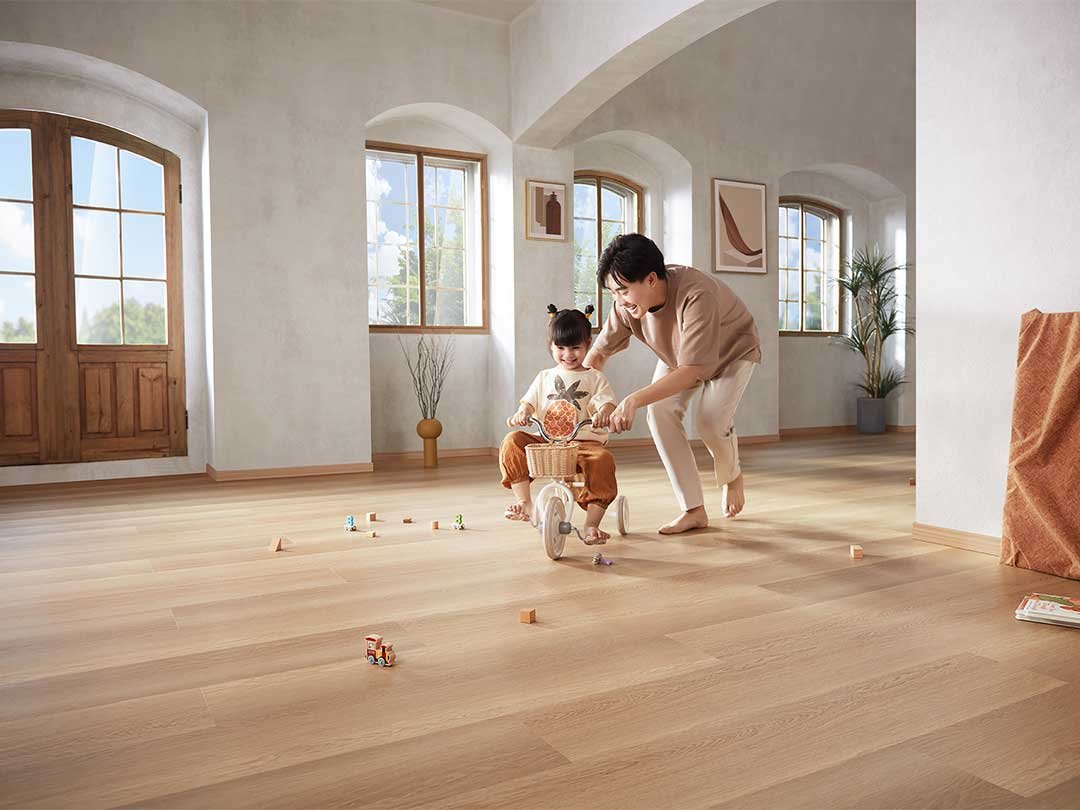
High-quality SPC flooring is generally free from formaldehyde and heavy metals, offering excellent indoor air safety. After installation, it usually does not require long ventilation periods, making it ideal for:
- Children’s rooms
- Pet-friendly homes
- Maternal and infant spaces
- Medical and educational facilities
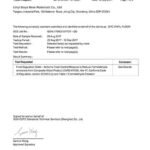
Some products are also certified by strict environmental standards such as GREENGUARD Gold, ensuring low VOC emissions.
Long Service Life Reduces Resource Waste
SPC flooring typically lasts 25–30 years, far longer than standard vinyl flooring, laminate flooring, or even traditional hardwood flooring.
A longer lifespan means:
- Reduced replacement frequency
- Lower material waste
- Reduced carbon emissions from transportation and installation
2. Why SPC Flooring Is More Environmentally Friendly
Eco-Friendly Raw Material System
- Limestone-based stone powder is widely available and sustainable
- Recycled PVC helps reduce plastic pollution
- Free from formaldehyde and other harmful volatile compounds
Clean Manufacturing Process
Compared with traditional flooring materials, SPC flooring production is more environmentally friendly:
- Lower energy consumption
- Minimal or no water usage
Reduced Construction and Renovation Waste
SPC flooring uses a click-lock installation system, making it more eco-friendly:
- Can be installed over existing floors, eliminating demolition waste
- Reduces construction debris
- Precise cutting reduces material waste
- Some products are recyclable or reusable
3. SPC Flooring vs Other Flooring Types: Environmental Comparison
| Type | Material Source | Lifespan | Indoor Safety | Recyclability | Carbon Emissions |
|---|---|---|---|---|---|
| SPC Flooring | Recycled stone powder + PVC | 25–30 years | High (low VOC) | Medium-High | Low |
| Solid Hardwood | Natural wood | 20–50 years | Medium (requires finishing chemicals) | Medium | High |
| Laminate Flooring | Wood fiber + adhesive | 10–15 years | Average | Low | Medium |
From a full life-cycle perspective, SPC flooring demonstrates clear environmental advantages.
4. Common Environmental Certifications
When choosing SPC flooring, pay attention to the following certifications:
- GREENGUARD Gold: Ensures low chemical emissions and better indoor air quality
- FloorScore: Tests VOC emission levels
- LEED-compatible materials: Helps contribute to green building certification systems
These certifications indicate higher reliability in environmental and health performance.
5. Cost and Long-Term Energy Savings
Although SPC flooring typically costs between $2–$5 per square foot initially, it offers significant long-term economic benefits:
- No need for frequent refinishing or sanding
- Lower maintenance costs (saving $1,500–$3,000 compared to hardwood)
- Improved insulation performance, indirectly reducing energy bills
- Longer lifespan reduces replacement expenses
6. Installation and Maintenance Benefits
SPC flooring is not only eco-friendly but also highly user-friendly:
- DIY installation: click-lock system, no glue or nails required
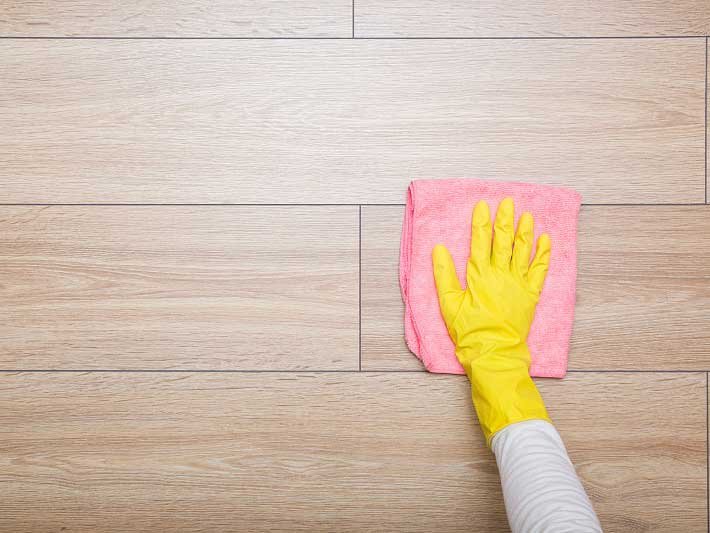
- Easy cleaning: water or mild detergent is sufficient
- Partial replacement: damaged planks can be replaced individually
- Low maintenance cost: long-term hassle-free use
In summary
SPC flooring delivers strong environmental performance through recycled materials, low-emission manufacturing, and an extended service life. It reduces resource consumption and carbon emissions, making it a smart choice for modern green buildings and sustainable homes.
Whether for residential renovation or commercial projects, SPC flooring achieves an excellent balance between aesthetics, durability, and sustainability—representing a key direction for future flooring materials.
Faq
Is SPC flooring considered eco-friendly?
Yes. SPC flooring is considered environmentally friendly because it uses recyclable materials such as limestone powder and recycled PVC, and it is produced through low-emission manufacturing processes. It also has a long lifespan, which reduces material waste over time.
Does SPC flooring contain formaldehyde or harmful chemicals?
High-quality SPC flooring is generally free from formaldehyde, heavy metals, and other harmful substances. Many products also meet certifications like GREENGUARD Gold, ensuring low VOC emissions and safer indoor air quality.
How long does SPC flooring last compared to other flooring types?
SPC flooring typically lasts 25–30 years, which is longer than laminate flooring (10–15 years) and comparable or more stable than many hardwood options. Its durability helps reduce replacement frequency and environmental waste.
What makes SPC flooring more sustainable than traditional flooring?
SPC flooring is more sustainable due to its use of recycled materials, low-energy production, reduced water usage, and click-lock installation that minimizes construction waste. Its long service life also reduces overall environmental impact.